5 Tips for Planning a Field Trip to Qasr Al Watan
Qasr Al Watan is one of the most enriching destinations for a field trip. Abu Dhabi’s Presidential Palace is an architectural landmark and also an important hub of knowledge and culture.
A field trip to one of the top Abu Dhabi cultural attractions allows students to gain a firsthand look at the United Arab Emirates’ heritage, values, and traditions.
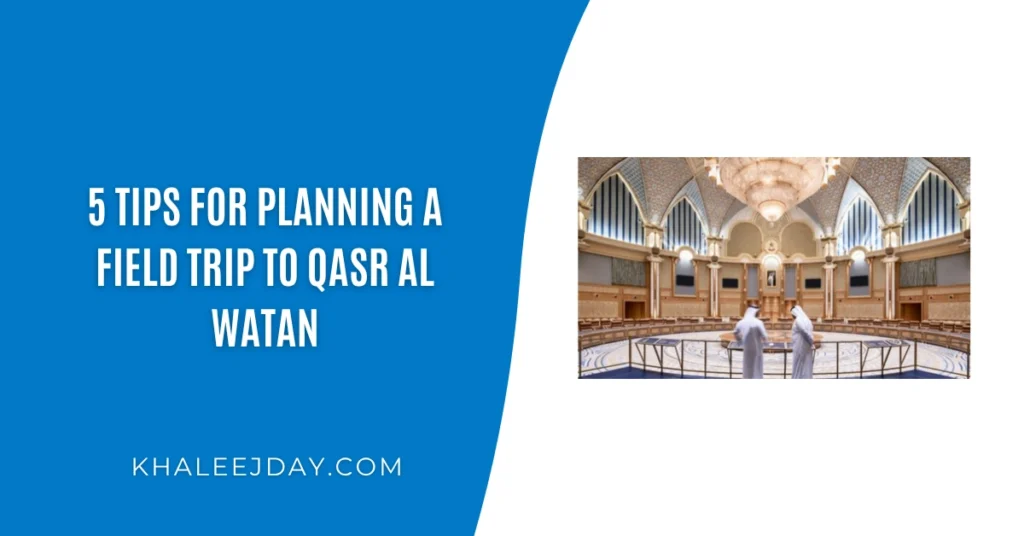
The palace’s exhibits highlight themes, such as leadership, innovation, and history, making it easy for teachers to tie the visit into their civics, social studies, or cultural appreciation lessons.
Qasr Al Watan also encourages curiosity. The intricate designs of the Great Hall, rare manuscripts, and other exhibits invite students to think critically and ask questions.
A field trip to Qasr Al Watan can turn learning into a memorable, real-world experience for students.
Organizing a Successful Field Trip to Qasr Al Watan
Below are some tips to help you plan a successful field trip to Qasr Al Watan with your students:
1. Book early.
Qasr Al Watan is a popular destination for both tourists and educational groups, which means tickets can sell out quickly during peak seasons. Informing the contact center about your plan and securing reservations in advance ensures you and your students can visit the palace at your chosen time.
While speaking with the staff, ask if they offer deals or discounts to group visits or school field trips. Inquire about guided tours and educational materials they can provide.
By contacting Qasr Al Watan, you can discuss the best schedule, confirm group rates, and tailor the visit to suit your students’ learning goals.
Planning ahead also helps reduce last-minute stress. With confirmed bookings, you can focus on preparing your students for the field trip.
2. Familiarize yourself with the palace.
If you haven’t visited Qasr Al Watan before, take the time to learn about the palace so you know what to expect during the tour. Doing so can also help you determine which exhibits or features to highlight during your visit.
Here’s a look at the zones you can explore on your visit:
● The Great Hall
The palace’s masterpiece boasts an impressive central dome, archways, ornamentation, and mosaic patterns, all of which highlight Arabian architecture, craftsmanship, and artistry. It features the palace’s signature colors: blue, white, and yellow.
● House of Knowledge
This zone houses some of the region’s most valuable and fascinating artifacts, demonstrating its influence on science, art, literature, astronomy, and other fields. You and your students can discover ancient manuscripts, maps, and encyclopedias here.
● Qasr Al Watan Library
Abu Dhabi’s biggest public library has over 50,000 books covering different ages and subjects of Arabian scholarship, including science, history, art, and literature. Here, you can discover and read books, newspapers, magazines, research articles, e-books, and other audio and visual content.
● Presidential Gifts Hall
This zone highlights the priceless artifacts and other valuable gifts given to the UAE, which signify the mutual respect between the country and other nations.
● Spirit of Collaboration
At the Spirit of Collaboration, you’ll find one of the palace’s most iconic features: an immense chandelier made of 350,000 pieces of crystal. It is the palace’s official meeting place where visitors can learn about diplomacy and the official protocols followed during meetings and events.
● Presidential Banquet Hall
This hall brings together world and local leaders, allowing them to share meals and experience the unique Emirati hospitality. Here, you’ll find collections of impressive dining ware and learn about rules regarding the menu to be served and seating arrangements.
3. Integrate the visit into your lesson plan.
Incorporating the field trip to Qasr Al Watan into your lesson plan ensures your visit doesn’t become a simple sightseeing tour.
The palace offers students an opportunity to explore themes important to their lessons, such as history and culture. You can discuss relevant concepts, including the role of leadership in the UAE or the country’s contributions to the region, in your classes.
By framing your lesson plan around what your students can learn during the trip, they will be more likely to engage with what they see and retain the information. They will also remember this event for a long time.
4. Arrange for a guided tour.
A guided tour provides insights that go beyond what students may see on their own and transforms the visit into an interactive learning experience.
The guide can highlight key details about the architecture, history, and cultural significance of the palace to help students connect the experience to their studies. A guided tour also encourages participation, with the guides encouraging guests to ask questions.
Find out if the Qasr Al Watan audio-guided tour is available so that your students can learn more during your visit.
5. Prepare your students for the experience.
Take the time to discuss with your students what to expect during the visit. You can give them an overview of the palace, its roles, and the exhibits they will encounter.
Also, set clear expectations for your students’ behavior inside the palace and throughout the field trip. Qasr Al Watan is a cultural and governmental site, so students should understand the importance of respect in such a setting.
Ensure they know the dress codes if they are not wearing the school uniform, as well as the photography rules, to avoid confusion during the visit. Lastly, consider building excitement for the field trip by sharing photos and short videos of the palace.
When you plan well for your field trip to Qasr Al Watan, you give your students more than just a day outside the classroom. This important landmark can become a living classroom where they can be inspired by the country’s history, culture, and leadership.