Why Jump-Starting Cars in Dubai Heat Can Damage Electronics
Dubai’s sun can be unforgiving. Car owners here know the heat isn’t just uncomfortable; it can be tough on vehicles, too. One area many drivers overlook is jump-starting a car in high temperatures.
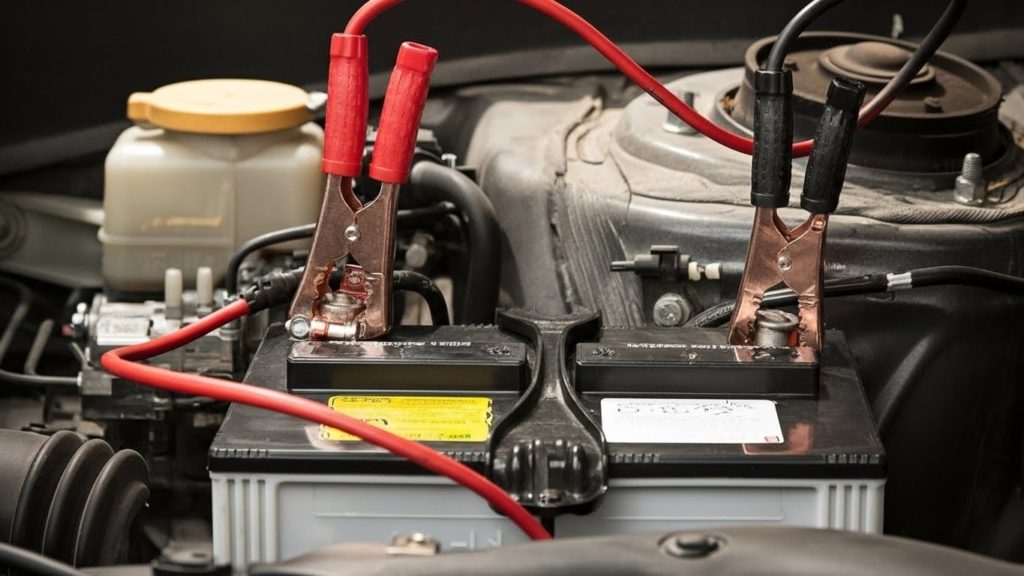
While it may seem like a simple fix, doing it in extreme heat can actually harm your car’s electronics. Let’s dive into why this happens and how you can protect your vehicle.
The Basics of Jump-Starting a Car
Jump-starting a car is connecting a weak or dead battery to another battery for a temporary power boost. It’s usually a quick fix for cars that won’t start.
Most people think it’s harmless if done quickly. However, the process creates a surge of electricity. In normal conditions, modern cars can handle it, but Dubai’s high temperatures make electronics more sensitive.
Modern cars rely heavily on electronics. From the engine control unit (ECU) to infotainment systems, sensors, and safety features, these devices depend on stable voltage.
Sudden voltage spikes from jump-starting in hot weather can cause malfunctions or long-term damage.
Why Dubai Heat Makes a Difference
The summer temperature in Dubai often exceeds 45°C (113°F). When your car sits in the sun, the interior and engine bay can get much hotter. High heat affects:
- Battery performance: Hot batteries lose charge faster and can overheat more easily during a jump-start.
- Electrical resistance: Heat changes how electricity flows, increasing the chance of a spike reaching sensitive electronics.
- Component stress: Circuits, sensors, and microchips are designed for normal operating temperatures. Extreme heat pushes them closer to their limits.
Even a well-done jump-start can put extra stress on electronics when the vehicle is already hot. Over time, repeated exposure increases the risk of failure.
Common Electronics at Risk
Several car components are especially vulnerable during jump-starts in high heat:
- ECU (Engine Control Unit): The brain of your car. Voltage spikes can corrupt software or damage internal circuits.
- Infotainment systems: Screens and radios can reset or stop working if the voltage is inconsistent.
- Sensors: Modern cars have dozens of sensors. Even small electrical surges can make them give false readings.
- Lighting systems: LED lights and control modules may burn out faster in unstable voltage conditions.
Even a single incident can cause costly repairs. Preventing damage is easier than fixing it later.
Safe Jump-Starting Tips for Dubai Drivers
You don’t have to avoid jump-starting altogether. There are innovative ways to reduce risk and protect your car electronics:
- Wait for cooler hours: Jump-start your car in the early morning or late evening when temperatures are lower.
- Use high-quality jumper cables: Thicker cables handle electricity better and reduce the chance of spikes.
- Turn off all electronics: Switch off AC, lights, radio, and infotainment before starting the jump.
- Connect in correct order: Positive cable first, negative second, following proper safety rules.
- Avoid multiple attempts quickly: If the car doesn’t start after a few tries, let the battery rest before trying again.
- Consider a portable jump starter: These devices can deliver a controlled voltage and are safer for modern electronics.
These precautions reduce stress on your car and help prevent damage caused by Dubai’s extreme heat.
Alternative Solutions
If you frequently experience battery issues in Dubai, consider alternatives that are gentler on your electronics:
- Battery maintenance: Check battery fluid levels and clean terminals regularly. Heat accelerates corrosion and can reduce battery life.
- Upgraded batteries: High-performance batteries are designed to withstand extreme temperatures.
- Professional jump-starts: Services like Car Jumpstart Service in Dubai have equipment and trained staff to handle your car safely. They reduce the risk of voltage spikes and electronic damage.
- Solar-powered battery maintainers: For cars parked under the sun for long periods, solar maintainers can keep batteries charged without stressing electronics.
Signs Your Electronics Were Affected
Even with caution, heat plus a jump-start can sometimes affect electronics. Watch for:
- Engine warning lights that stay on after the car starts
- Unresponsive touch screens or infotainment issues
- Sensors giving inconsistent readings (like tire pressure or fuel level)
- Flickering or dim lights inside or outside the car
If any of these appear, it’s best to get your car checked by a professional immediately. Early detection can save expensive repairs.
Why Prevention is Better Than Repair
Fixing electronics after a surge is expensive and time-consuming. ECUs, sensors, and other modules can cost hundreds to thousands of dirhams.
By taking simple precautions, like avoiding jump-starts during peak heat and using professional services, you protect your car and your wallet.
Modern cars are more reliable than ever, but they’re also more sensitive. Understanding how heat interacts with electrical systems can save you from frustrating breakdowns and costly repairs.
Final Thoughts
Jump-starting your car is a simple task. In Dubai’s extreme climate, it becomes more complicated.
Heat weakens batteries and stresses electronics, making even a quick jump-start risky. By following safe practices and considering professional help, you can protect your car from unnecessary damage.
Remember, a small extra step, like waiting for cooler temperatures or using proper jump-start equipment, can make a big difference.
Keeping your car electronics safe ensures your vehicle runs smoothly, even under the harsh Dubai sun.