Lab Tests Demystified: What You’re Being Tested For and Why?
Data increasingly drive healthcare decisions. Doctors rely on laboratory tests to understand what is happening inside the body, even before symptoms become obvious. While many people undergo routine testing every year, few truly understand what these tests measure or why they are necessary.
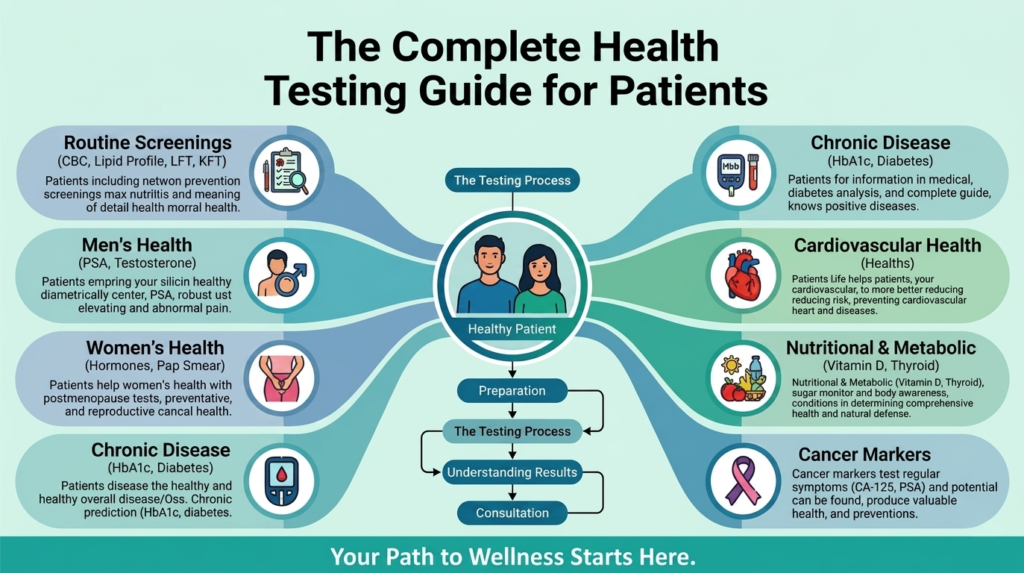
Lab reports can sometimes look confusing, filled with numbers and medical terms that seem difficult to interpret. However, these results provide valuable insights into organ function, nutrient levels, hormones, infections, and overall health.
Today, diagnostic testing has also become more accessible. Services such as a Lab test at home allow individuals to schedule essential screenings without visiting a clinic or hospital. This shift toward convenience is encouraging more people to monitor their health regularly.
Diagnostic providers like genex lab contribute to this growing trend by offering reliable testing services and accurate reports that support both patients and healthcare professionals.
In this guide, we will break down the most common medical tests, explain what they measure, and discuss why they play such an important role in modern healthcare.
Why Medical Tests Are Essential for Modern Healthcare
Laboratory tests serve as one of the most reliable tools for diagnosing and preventing diseases. Many serious health conditions begin silently, without noticeable symptoms. By the time physical signs appear, the disease may have already progressed.
Routine testing helps doctors detect problems early and develop appropriate treatment plans. Even a basic medical test can reveal important clues about how the body is functioning.
Doctors often recommend periodic testing for several reasons:
- Detecting early signs of chronic diseases
- Monitoring existing medical conditions
- Evaluating organ health
- Assessing nutritional deficiencies
- Screening for infections
These tests form the foundation of preventive healthcare.
Many individuals now choose a blood test at home for convenience, allowing them to complete important screenings without disrupting their daily schedules.
Understanding the Basics of Blood Testing
Blood tests are among the most frequently performed diagnostic procedures. Blood carries oxygen, nutrients, hormones, and immune cells throughout the body. Because of this, analyzing blood samples provides valuable information about many bodily systems.
A home service blood test allows trained technicians to collect samples safely while ensuring proper handling and laboratory analysis.
Blood tests typically examine several parameters, including red blood cells, white blood cells, platelets, enzymes, and electrolytes. Each measurement offers a different perspective on a person’s health.
Key Red Blood Cell Measurements
Red blood cells carry oxygen from the lungs to the rest of the body. Several blood markers help doctors evaluate the health and efficiency of these cells.
The mcv blood test measures the average size of red blood cells. Abnormal values can indicate vitamin deficiencies or different types of anemia.
Another measurement, the MCH blood test, calculates the average amount of hemoglobin in each red blood cell. Hemoglobin is the protein responsible for transporting oxygen.
The MCHC blood test complements these measurements by determining the concentration of hemoglobin within red blood cells. Together, these tests help physicians diagnose blood disorders and nutritional deficiencies.
Liver Health and Enzyme Testing
The liver plays a central role in metabolism, detoxification, and nutrient processing. When liver cells become inflamed or damaged, certain enzymes increase in the bloodstream.
One commonly used marker is the ALT sgpt test, which measures the level of alanine aminotransferase in the blood.
Understanding what the sgpt test means helps doctors evaluate whether liver inflammation is present. Elevated levels may occur due to infections, medications, alcohol consumption, or metabolic disorders. Doctors often review this test alongside other liver markers to gain a complete picture of liver health.
Metabolic and Insulin Resistance Testing
Metabolic health is another important area assessed through laboratory testing.
The homa ir test is used to evaluate insulin resistance, a condition where the body’s cells respond less effectively to insulin. Insulin resistance is a key risk factor for type 2 diabetes and metabolic syndrome.
Detecting metabolic imbalances early allows individuals to make lifestyle changes that reduce the risk of long-term complications.
Regular screening plays a significant role in maintaining metabolic health, especially for individuals with a family history of diabetes.
Iron Levels and Inflammation Indicators
Iron is essential for oxygen transport and energy production. Both iron deficiency and iron overload can cause health problems.
A ferritin test measures the amount of stored iron in the body. Understanding the ferritin meaning in laboratory reports helps doctors determine whether iron levels are within a healthy range.
Low ferritin levels may indicate iron deficiency anemia, while elevated levels may suggest inflammation or certain metabolic conditions.
Another important marker is C-reactive protein. The crp blood test meaning refers to measuring inflammation levels in the body. Higher CRP values can indicate infections, autoimmune conditions, or cardiovascular risks.
Doctors often combine CRP measurements with other tests to identify the underlying cause of inflammation.
Swab Testing and Infection Detection
Not all diagnostic procedures involve blood samples. Swab testing is commonly used to identify infections in specific areas of the body.
A throat swab test helps detect bacteria or viruses responsible for respiratory illnesses. This test is frequently used when patients experience sore throat, fever, or persistent coughing.
Another powerful diagnostic method is the pcr test at home, which detects genetic material from viruses or bacteria. PCR technology is highly sensitive and allows healthcare professionals to identify infections quickly and accurately.
These tests are essential for early diagnosis and effective treatment of infectious diseases.
Hormone Testing and Reproductive Health
Hormones control many critical processes in the body, including metabolism, mood, and reproductive health.
A hormonal test panel evaluates hormone levels that regulate these systems. Hormone imbalances can lead to symptoms such as fatigue, irregular menstrual cycles, weight fluctuations, or mood changes.
One important reproductive marker is measured through the estradiol-e2-test, which evaluates estrogen levels in the body.
Another commonly performed diagnostic procedure is the BHCG test, which measures the hormone responsible for confirming pregnancy. For prenatal screening, doctors may recommend the NIPT test, which analyzes fetal DNA in maternal blood to identify potential genetic conditions.
Thyroid Function Testing
The thyroid gland plays a vital role in regulating metabolism, energy levels, and body temperature.
A thyroid test measures hormone levels that control these processes. Thyroid disorders are relatively common and can cause symptoms such as fatigue, weight gain, hair thinning, and mood changes. Routine thyroid screening allows doctors to identify imbalances early and recommend appropriate treatments.
Testing for Allergies and Food Sensitivities
Food sensitivities and allergies affect millions of people worldwide. Identifying triggers can significantly improve quality of life.
A food intolerance test analyzes the body’s immune response to certain foods that may cause digestive discomfort or inflammation.
For convenience, many individuals now choose a food intolerance test at home, which allows sample collection without visiting a clinic.
Similarly, an allergy test at home helps identify environmental allergens such as pollen, dust, or pet dander. By identifying these triggers, patients can modify their diet or environment to reduce symptoms.
Screening for Infectious Diseases
Testing for infectious diseases is an essential part of preventive healthcare.
Many people choose STD test at home to check for sexually transmitted infections privately and conveniently. Early detection allows timely treatment and reduces the risk of complications.
Screening may also include testing for conditions such as HIV, which is essential for protecting individual and public health.
Routine screening encourages responsible health management and helps reduce the spread of infections.
Fertility and Male Reproductive Health Testing
Laboratory diagnostics also play an important role in evaluating fertility.
A semen analysis test examines sperm count, motility, and structure. These factors help doctors assess male reproductive health. This test is often recommended for couples experiencing difficulty conceiving.
The Rise of At-Home Diagnostic Services
Healthcare delivery has changed significantly in recent years. Patients are increasingly seeking convenient ways to manage their health.
Services such as medical test at home options allow individuals to schedule diagnostic procedures without traveling to laboratories or hospitals.
These services are especially beneficial for:
- Elderly patients
- Individuals with mobility challenges
- Busy professionals
- Families managing multiple responsibilities
The convenience of modern diagnostic services encourages more people to undergo regular health screenings.
The Role of Reliable Diagnostic Providers
Accurate test results depend on high-quality laboratory equipment, trained professionals, and strict quality control procedures.
Diagnostic providers such as genex lab support healthcare systems by delivering reliable laboratory services that help physicians make informed decisions. High-precision testing ensures that medical treatments are based on accurate and trustworthy information.
Preparing for a Lab Test
Proper preparation is essential for obtaining reliable test results.
Patients are usually advised to follow these guidelines:
- Follow fasting instructions if required.
- Inform the laboratory about medications being taken.
- Drink enough water before sample collection.
- Avoid intense exercise before certain tests.
- Schedule hormonal tests at the recommended time of day.
Following these steps can help ensure accurate laboratory results.
The Future of Diagnostic Testing
The future of laboratory diagnostics is being shaped by technology and innovation.
Advancements in molecular testing, digital health platforms, and artificial intelligence are transforming the way medical data is analyzed.
These innovations will allow healthcare professionals to diagnose diseases earlier, personalize treatments, and improve overall patient outcomes.
Diagnostic testing will continue to play a central role in preventive medicine.
Laboratory testing plays a crucial role in modern healthcare. These tests provide essential insights into how the body functions and help doctors detect potential health problems before they become serious.
From routine screenings to specialized diagnostics, medical testing helps individuals take control of their health and make informed decisions about their well-being.
With the growing availability of services like Lab test at home, monitoring health has become more convenient and accessible than ever. Reliable diagnostic providers, including Genex Lab, continue to support patients and healthcare professionals by delivering accurate and dependable laboratory results. Understanding what these tests measure empowers individuals to approach healthcare with greater awareness and confidence.
Frequently Asked Questions
1. Why are routine lab tests important?
Routine lab tests help detect health issues early, often before symptoms appear. Early diagnosis allows doctors to provide timely treatment and prevent complications.
2. Are home diagnostic services accurate?
Yes. When samples are collected by trained professionals and processed in certified laboratories, the results are as reliable as tests performed in medical facilities.
3. How often should someone get lab tests done?
Most adults benefit from annual health screenings. However, people with chronic conditions or risk factors may need more frequent testing.
4. Do all blood tests require fasting?
No. Only specific tests, such as glucose or cholesterol panels, require fasting. Patients should follow the instructions provided by their healthcare provider.
5. What should you do if your lab results are abnormal?
Abnormal results do not always indicate a serious problem. Doctors usually review the results alongside symptoms, medical history, and additional tests before making a diagnosis.