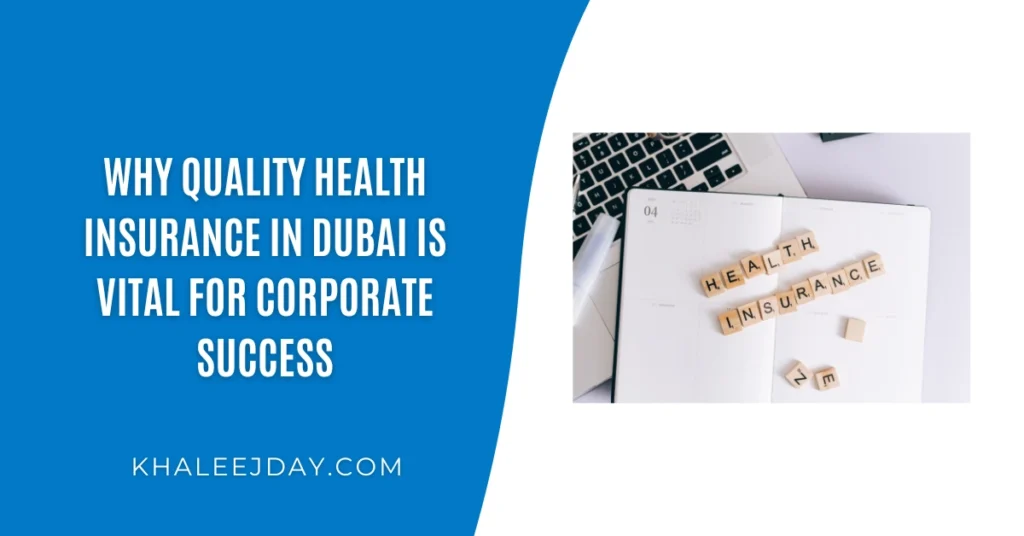
Why Quality Health Insurance in Dubai is Vital for Corporate Success
The United Arab Emirates (UAE) makes it easy to register a company. What trips people up is not the setup but what comes after.
Employer obligations, visa requirements, and coverage mandates: the rules are specific, the deadlines are strict, and the fines for missing them aren’t negligible. For most new business owners, health insurance in Dubai is where the first costly mistake happens. Here’s what you need to know before it costs you.
No Coverage, No Visa
The Dubai Health Authority (DHA) requires employers to provide health insurance to every employee and their dependents before a residence visa can be issued or renewed. That means coverage is not an HR task you get to after onboarding but a precondition for onboarding.
The mandate has been in place since 2016 and applies to the mainland and most free zones, although the qualifying insurers may differ from one jurisdiction to the next. If your business is located in a free zone, check in advance which providers are approved by your authority. Buying a policy only to find out it doesn’t qualify can be fixed, but not in the shortest time.
Quality health coverage also says something to candidates. In a market as competitive as Dubai, the quality of your benefits package often makes the difference between a strong hire choosing you or the company down the road.
AED 500 a Month Per Person Fine
Failure to comply will lead to a monthly fine of AED 500 per uninsured employee. That means, if you miss coverage for a team of 15 people for 3 months, you’re looking at a fine of AED 22,500.
Visa renewals often expose these gaps, by which time the bill has grown, and they are often overlooked. New businesses are especially vulnerable in the time between hiring and full processing of the visa. Within that window, your employees must already have coverage.
The monetary penalty is just the beginning. If you incur multiple compliance failures, it can ruin your reputation with the free zone authorities and make it much more difficult to renew your license in the future than paying a fine.
Group Coverage: The Business Case Is Clear
It makes sense to buy individual policies for each employee. That is, until you run the numbers. Group medical insurance is great because it covers your entire team under a single policy. It spreads the cost across the group, so the amount you pay per person goes down. And the more people you add, the more cost-efficient it becomes.
The same goes for administrative action. Since there’s just one policy, you only need to remember one renewal date. That is also equal to just one conversation with one broker and one compliance record to maintain. This simplicity is important for a small business without a dedicated HR department.
Important: Employees earning less than AED 4,000 per month are mandated by the DHA to have an Essential Benefits Plan. Most professional hires will be one tier above that. If your company isn’t providing the minimum in a competitive talent market, you may find it difficult to attract top candidates.
The Dependent Coverage Gap Most Employers Don’t See
Lots of founders get employee coverage right but often miss the requirement about dependents. DHA regulations also require employers to provide insurance coverage for their employees’ spouses and children, unless those dependents have coverage from another source.
If you’ve hired someone with a family coming from abroad, that obligation can add up quickly. Some companies will share the cost of the dependent premium with the employee as part of the contract. That’s a fair approach and one that should be spelled out in your offer letter from day one.
Either way, you are still legally required to provide coverage. How you pay for it internally is irrelevant. Factor dependent costs into your hiring budget before you make offers, not after.
What Good Brokers Really Deliver
Some employers buy the cheapest policy that technically meets the DHA threshold. It works until you realize the following:
- Your insurer is not on the approved list, as found in a free zone audit.
- You have a gap in your coverage, and a mid-year hire falls through.
- A renewal date is missed, and fines begin to pile up before anyone notices.
A broker with real experience in the UAE market will prevent most of these problems before they even begin. They know which insurers you qualify with in your zone, how to handle coverage for employees on different types of visas, and how to structure a policy that will hold up when your headcount changes.
The value is not in getting you a deal. It’s in having the policy you buy actually do what you need it to when it matters.
A good broker is not only compliant but also helps you think about coverage as a business tool. The right plan reduces sick days, fosters loyalty, and makes your company appear to value its people. It takes time to earn that reputation.
Frequently Asked Questions
Can I get Dubai group medical insurance for a small team of 2 or 3 people?
Some insurers will offer group policies for small teams, but your options are limited. A broker knows right away which carriers will take a micro-group and if the pricing is really better than individual coverage at that headcount.
What if my health insurance coverage ends mid-policy year?
The fine kicks in immediately at AED 500 per month for each uninsured employee, and the gap can complicate the next visa renewal. Ensure the new policy is effective before the old one expires. Speak with your broker to ensure the dates are all in line.
Build It Right, Then Scale
Clean-growing companies in Dubai have one habit: deal with the non-negotiables early. Good group medical insurance, right before your first visa application, protects your team, keeps you on the right side of regulators, and takes a variable out of the equation that can get expensive.
A well-structured benefits program also reinforces the culture you are trying to create. Get the basics right. The rest is easier.