7 Common Mistakes to Avoid When You Buy Pre-Owned Luxury Watches
The preparation to buy pre owned luxury watches often starts from an interest in its design, craftsmanship, and long-term usage. The secondary watch market holds a wide variety of timepieces. Assessing a watch’s condition is especially important when evaluating high-end independent brands, where originality and finishing significantly impact value.
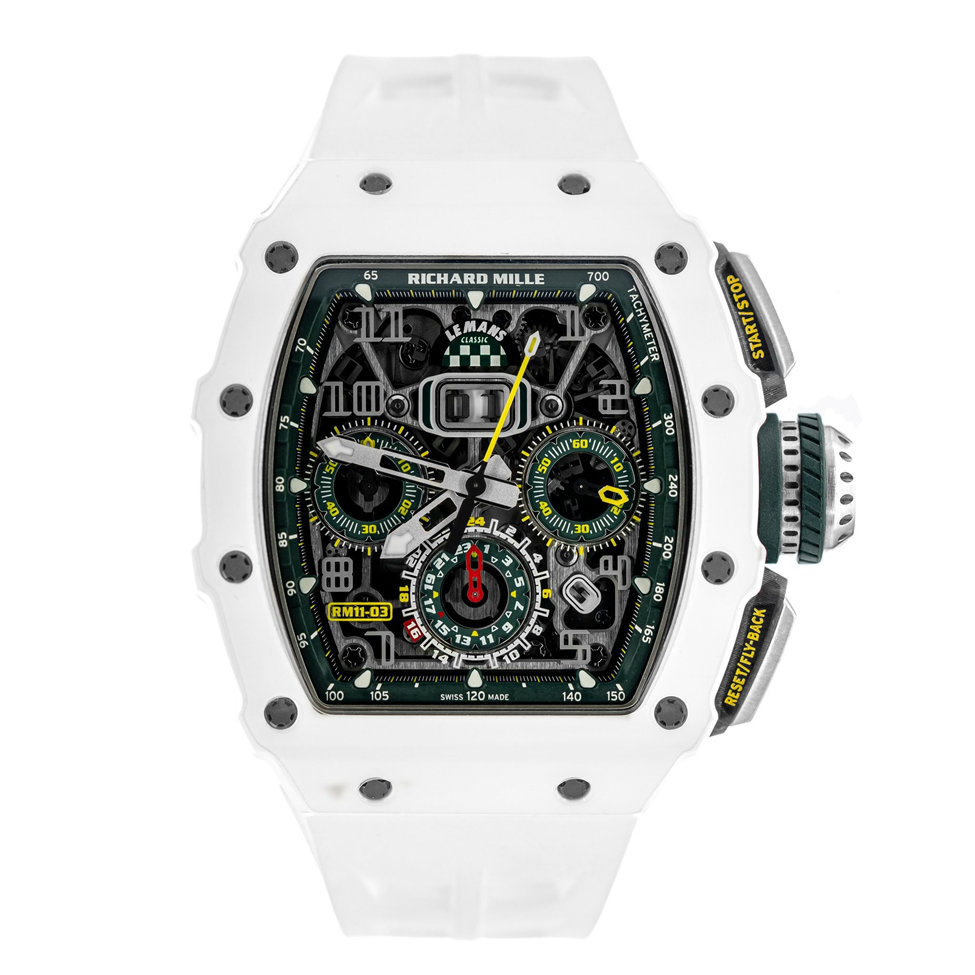
Two watches can look similar. Yet, minor differences in the service records, conditions, or parts’ originality decide their performance and value. You might not realize them instantly. That’s why every detail should be examined carefully to avoid issues related to maintenance, authenticity, and pricing later.
So, here are 7 common mistakes that buyers often make while purchasing pre-owned luxury timepieces.
Why Buying Pre-Owned Watches Requires Extra Caution
Secondhand luxury watch purchases involve more verifiable factors than even buying new watches. Pre-owned watches could have been used for years, passed on to multiple owners, and undergone several services. All these factors count when it comes to watches’ condition, internal movement, and overall reliability.
Issues like replaced parts, polishing, and missing documentation can get overlooked at first sight. Besides rarity, condition, and demand also influence the pricing. So, purchasers evaluate these factors carefully so that nothing can harmfully influence their long-term possession. That’s why it’s vital to be more careful and structured in the buying procedure.
Mistake 1: Not Verifying Authenticity Thoroughly
When you buy pre owned luxury watches, gazing will never be enough to ensure the authenticity. Watches’ serial numbers should be identical in their official records and documentation. Buyers often cross-check details using official manufacturer databases, authorized dealers, or reputable authentication platforms.
The next layer of verification ensures whether the watches’ original boxes, papers, and authentication certificates are present.
One should also inspect the watch’s movement attentively. It’s because the internal components say whether the inner parts are original or have been changed. On the other hand, service history informs whether there have been any repairs or modifications. So, unless you verify these aspects, you risk buying a watch with replaced or non-original components.
Mistake 2: Ignoring the Watch’s Condition
The condition of the watch is even more important while dealing with high-end, independent brands such as Pre Owned FP Journe Watches, as the originality and quality of the watch are major factors for such brands. Sometimes, distortions like over-polishing and scratches alter the original shape. Therefore, one should always check the dial to ensure that no refinishing work has impacted the originality.
It’s also important for you to check for signs of water exposure or moisture, replacement parts, or scratches on bracelets. Such small but significant details can largely influence a watch’s long-term value and performance. Yet, with a careful inspection, a buyer can quickly realize how previous users have used and maintained these watches.
Mistake 3: Overpaying Due to Lack of Market Knowledge
When you buy pre owned luxury watches, pricing depends on several factors. Two watches of the same model can differ in pricing for their age, rarity, and condition.
Timepieces that were in limited editions or have been discontinued normally have higher valuation. On the other hand, commonly available pieces can have different prices across different markets.
An unusually low price can be a sign of underlying issues. Besides, a higher price can indicate good condition or complete documentation.
Mistake 4: Not Checking Provenance and Documentation
Provenance and documentation tell the history of watches. You can take the original box, warranty card, and original documents as confirmation of the authenticity and ownership. Simultaneously, a detailed invoice and a certificate of authenticity attest to the validation even more.
The ownership record or any notable history can also be included in the Provenance. It influences the value. However, the verification process becomes difficult if there’s missing or incomplete documentation. If a buyer skips or overlooks these checks, they become exposed to risks related to authenticity, reselling, or confidence in the watches’ origin.
Mistake 5: Choosing the Wrong Seller
Being unable to choose the right seller is another mistake that many purchasers make. You can find different levels of documentation, verification, and disclosure. While some provide detailed service records, authentication reports, and condition grading, others provide limited information.
Therefore, it’s important to check how a seller manages movement inspection, serial number checks, and documentation before he lists a watch. From return policies, transparent invoices, and warranty terms, you can understand whether the process is structured or not.
Mistake 6: Overlooking Service and Maintenance History
When evaluating luxury, it’s vital to see how their former possessors have handled and used them. The service and maintenance records become even more important while dealing with high-end, complex timepieces such as Pre Owned Richard Mille Watches, as servicing plays an important role for such high-end brands.
It becomes even harder to judge the condition of the internal components without proper records. This can even lead you to a sudden need for servicing right after purchase. Therefore, it’s important to understand the consistency of the performance and possible future costs by assessing the maintenance records.
Mistake 7: Ignoring Long-Term Value Potential
When you buy pre owned luxury watches,their demand, rarity, and condition decide their long-term value. Some models might uphold their value, while a few can lose theirs over time. Overlooking to evaluate these aspects means ignoring to understand how these watches will perform in the secondary market in the long run.
What Smart Buyers Do Differently
Smart buyers take smart steps so that they never make any significant mistakes while purchasing preowned timepieces.
- Check the authenticity of the serial and reference numbers, as well as documents, for the watch.
- Check the condition of the watch, including the case, dial, and bracelet, to determine its condition.
- Go through the listings to get an understanding of the range of prices.
- Check the box, papers, and ownership documents.
- Go through the service history to determine any maintenance that may have been done and may be required.
Conclusion
Purchasing preowned watches essentially includes a thorough evaluation of authenticity, condition, pricing, and documentation. Therefore, buyers adopt a structured approach with patience and research and make informed decisions to eliminate possible mistakes and risks.