Engine Overheating in Traffic? Here Are the Most Common Causes
Getting stuck in traffic is common in Abu Dhabi. The long lines of cars, slow movement, and strong heat can put extra pressure on your vehicle.
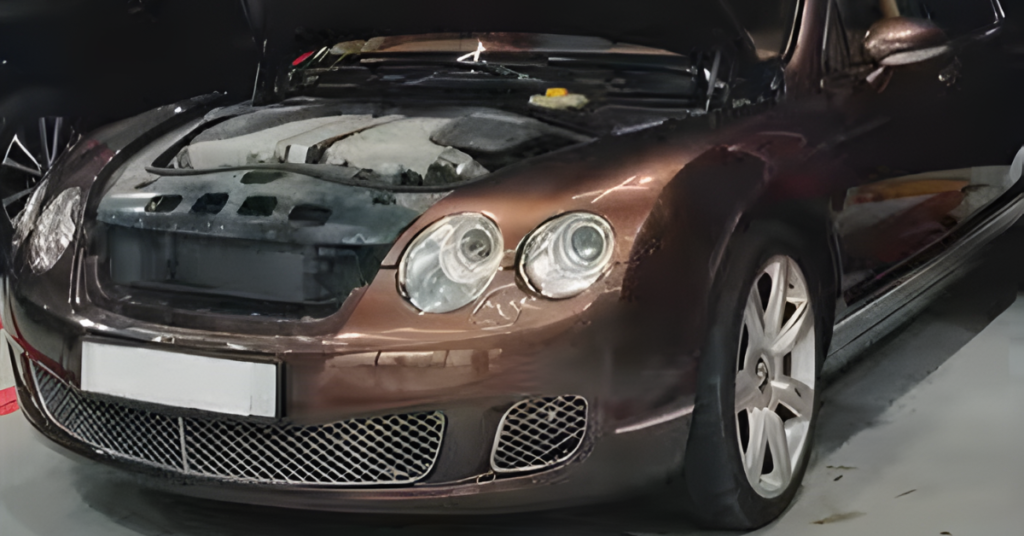
Many drivers face one scary problem during these moments: an engine that starts to overheat. This issue becomes even more stressful when you do not know the exact reason behind it.
Most drivers only notice the temperature gauge rising and feel worried. If this has happened to you, you are not alone. Many people search for help and trusted car repair Abu Dhabi services when their engine gets too hot.
Engine overheating often happens due to a few simple and common causes. By learning these causes, you can notice problems early and take action before the engine reaches a dangerous temperature.
With the right care, your engine can stay healthy and run smoothly even during heavy traffic. This guide explains the most common reasons behind engine overheating and how you can prevent them with simple steps.
1. Low Coolant Level
Coolant is one of the most important fluids in your car. It helps maintain a safe temperature by carrying heat away from the engine.
When the coolant level is low, the system cannot cool your engine properly. This becomes a huge problem during traffic because your car is moving slowly and does not get enough airflow.
Many drivers forget to check the coolant level. Sometimes, the coolant level drops due to small leaks, worn hoses, or evaporation.
A low level can cause the engine temperature to rise quickly, even within minutes of being stuck in traffic. The engine then gets hotter than it should, which may lead to costly damage if not fixed.
To avoid issues, keep an eye on your coolant reservoir. Make sure the fluid is at the recommended mark.
If you notice you are refilling it often, your cooling system may leak. Getting it checked early helps prevent bigger problems.
2. Radiator Problems
The radiator is the heart of the cooling system. It keeps the engine temperature stable by letting heat escape. But when the radiator is not working the way it should, the engine loses its main method of staying cool.
In traffic, weak airflow makes this issue worse. Your car relies on the radiator fan when standing still. If the radiator is blocked with dirt, sand, or debris, it cannot cool the coolant properly. Abu Dhabi’s sandy environment makes this a common issue. Small particles enter the radiator fins and reduce performance.
Another common issue is a clogged radiator. When old coolant builds up inside, it forms deposits that block the flow. This leads to heat getting trapped inside the engine. A clogged radiator does not show any obvious signs until the engine overheats.
Cleaning and servicing the radiator helps keep it efficient. Regular flushing also prevents deposits from building up. If the radiator is damaged or leaking, replacing it is the safest choice.
3. Faulty Thermostat
The thermostat controls how coolant flows through the engine. It stays closed when the engine is cold and opens once the temperature rises. But when a thermostat gets stuck closed, it blocks the coolant from circulating.
This causes the engine to heat up quickly. In traffic, where the engine runs but the car stays still, the temperature rises even faster. A bad thermostat is one of the fastest ways an engine can become too hot.
The good thing is that replacing a thermostat is usually quick and affordable. If you notice your temperature gauge rising too often or your engine warms up faster than usual, this might be the cause. Fixing it early protects the engine from heavy damage.
4. Weak or Broken Radiator Fan
Your radiator fan is extremely important in traffic. While driving at higher speeds, your car gets plenty of natural airflow.
But in traffic, your car depends on the fan to pull air through the radiator. If the fan is not working, overheating becomes almost guaranteed.
A radiator fan may fail due to wiring problems, motor issues, or a broken fan blade. Sometimes the fan switch or fuse can also stop working. The engine then heats up because no air is passing through the radiator.
You may notice the fan not turning on when your engine is hot. You might also hear no sound coming from the fan area.
Fixing or replacing the fan keeps your cooling system strong, especially in Abu Dhabi’s hot conditions.
5. Leaking Hoses
Coolant hoses carry coolant from the engine to the radiator and back. These hoses face pressure, heat, and vibration every day.
Over time, they become weak or cracked. Even a small leak can reduce coolant flow and cause overheating.
Sometimes the leak is too small to notice, but it still lowers coolant levels slowly. Traffic heat makes hose failures worse. The pressure increases when the car is idle, and hot temperatures make hoses crack faster.
Checking hoses regularly helps prevent sudden coolant loss. If you notice moisture, white marks, or a sweet smell under the hood, a hose may be leaking. Replacing old hoses is an easy way to avoid overheating.
6. Old or Faulty Water Pump
The water pump keeps coolant moving through the engine. If the pump fails, coolant stops flowing, and the engine temperature rises within minutes. A damaged water pump is one of the more serious causes of overheating.
A water pump can fail due to age, worn bearings, or coolant contamination. You might hear a whining sound or notice coolant dripping under the car. In traffic, a weak pump cannot push coolant fast enough, making overheating more likely.
Replacing the water pump when needed keeps your engine safe. Many experts recommend changing it along with the timing belt to avoid breakdowns.
7. Oil Level Too Low
Engine oil also plays a role in cooling. It reduces friction between moving parts. When the oil level is too low, the engine has to work harder. This creates extra heat and stress.
You may notice warning lights or strange noises when the oil is low. Traffic makes it worse because the engine runs longer without enough cooling support. This can lead to damage if ignored.
Checking oil levels every few weeks helps keep your engine healthy. Using good-quality oil is also important for long-term protection.
8. Dirty or Old Coolant
Coolant needs to be clean to work properly. When it becomes old, it loses its strength and cannot cool the engine efficiently. Dirty coolant can also form rust or deposits inside the system.
This buildup blocks the flow and reduces cooling power. In traffic, this becomes a big issue because your engine does not receive enough cooling. You may notice the coolant looking brown, rusty, or muddy.
Flushing the coolant and refilling with fresh fluid restores the system’s efficiency. Doing this regularly helps avoid overheating and extends the life of cooling parts.
9. AC Overload in Hot Weather
Most drivers turn on the AC full blast during hot traffic. While this keeps you comfortable, it also increases the load on the engine. The AC system uses power from the engine, and this pressure causes higher heat output.
When the cooling system is already weak, the added load from the AC pushes the temperature higher. You may notice the temperature gauge rising more when the AC is running in slow traffic.
This does not mean you should stop using AC. Instead, make sure your cooling system is strong. Keeping the AC system serviced also reduces the load on your engine.
10. Driving Habits in Traffic
The way you drive in traffic also affects engine temperature. Quick acceleration followed by sudden braking puts extra pressure on your engine. Long idle times also trap heat under the hood.
Smooth driving, gentle acceleration, and switching to neutral when stopped for long periods help keep the engine cooler. Taking short breaks to let the engine rest can also make a difference.
Small changes in habits can protect your engine from unnecessary heat.
How to Prevent Engine Overheating
Stopping overheating is easier when you know the right steps. Here are simple habits that make a big difference:
- Check the coolant level every two weeks
- Keep the radiator clean inside and outside
- Get the cooling system flushed yearly
- Monitor the temperature gauge often
- Fix leaks as soon as you notice them
- Avoid long idling when possible
- Turn off the AC when the engine temperature rises
- Service the water pump and thermostat on time
These small steps help you stay safe and avoid breakdowns.
Final Thoughts
Engine overheating in traffic is a frustrating and stressful experience for any driver. But the reasons behind it are often simple, common, and easy to fix.
By understanding the main causes, like low coolant, radiator issues, weak fans, or leaks, you can take the right steps to protect your car.
With the hot weather and busy roads in Abu Dhabi, regular maintenance becomes even more important. Taking care of your cooling system helps your car stay strong, safe, and ready for any traffic situation.
When you act early, you avoid bigger problems and keep your engine running smoothly for years.