How to Choose the Right Maker for Custom Furniture Dubai: A Step-by-Step Checklist
Selecting the appropriate makers for custom furniture Dubai begins with assessing workshop capabilities, the standards of material used, the transparency of pricing, and technical expertise. Customized furniture projects include reviewing material sourcing, craftsmanship standards, and prices.
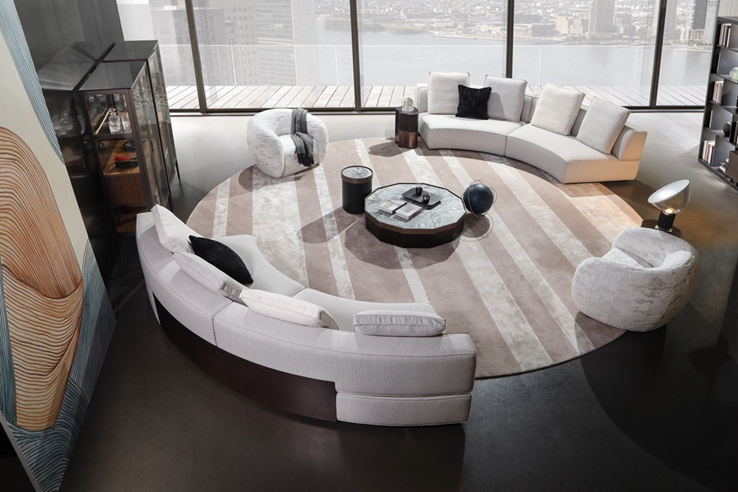
Customized furniture is designed for specific spaces, different from generic pieces. As the number of furniture manufacturers continues to grow, comparing technical capabilities and production standards becomes increasingly important.
This step-by-step checklist outlines practical buying standards for tailored furniture.
Evaluate Material Expertise & Climate Resilience for Custom Furniture Dubai
Assess the knowledge of the manufacturer before ordering custom furniture Dubai for your home. Dubai’s climate is moisture-laden, with high temperatures, humidity, and interiors are air-conditioned. According to the Government of Dubai Media Office reports, summers are extremely hot and humid with temperatures reaching around 41.8°C. Most days are sunny throughout the year. This can affect furniture’s outlook over time. Therefore, high-performance fabrics designed for heat and humidity resistance are generally suitable for Dubai’s temperature.
Wood selection should focus on moisture resistance and dimensional stability. FSC certification indicates responsible sourcing rather than climate durability. This type of wood is ethically sourced and sustainable. The manufacturer should be able to explain more about moisture-resistant wood and protective finishes suitable for regional city conditions.
Evaluation of the hardware wood material must be done for rust resistance. Fabrics must be carefully chosen that have humidity-tolerant properties and are fade-resistant.
Review the previous custom installations of the manufacturer. It will provide an insight into the long-term durability. Be aware of joinery techniques and proper sealing methods that contribute to structural reliability. Consider consulting with an experienced maker who can explain aspects such as form, functionality, and finishing.
Review Technical Design Capabilities
Technical review of tailored-made furniture helps understand how different materials work. This can prevent warping or wear-and-tear in the near future. Choose the manufacturers who show structural integrity in design planning and implementation. Analyze how the designers translate ideas into drawings.
The right size, materials, and joinery methods are important when choosing furniture such as Armchair Dubai or a dining table. Upholstery detailing, structural balance, and ergonomic proportions must align with functional expectations and aesthetics.
Evaluating drawings and the production process ensures smooth execution. Always look to see whether makers collaborate with designers, contractors, etc. This will give a clear idea of processes.
Visit the Workshop vs. The Showroom
Dubai city has a mix of studios and workshops. There are many engineered and joinery facilities, and also showrooms that handle lighter projects. Custom furniture Dubai involves understanding what you are actually looking for.
Showrooms showcase finished pieces. They display furniture under full lighting and staging conditions. They offer an insight into aesthetics and finishing quality, but may not showcase the manufacturing process.
Workshops, on the other hand, provide an insight into the manufacturing process. They give a chance to view the machinery, materials used, quality control, and storage conditions. Proper evaluation of material handling, dust management, sealing, and joinery techniques helps in understanding the consistency of the furniture-making process.
Some manufacturing workshops-cum-showrooms have different facilities in Dubai. Here, buyers can review material proportion, detailing, and techniques used. Comparing workshop vs. showroom will assist in making informed decisions.
Sustainability & Sourcing
Sustainability and responsible sourcing play a key role in custom furniture production. Buying items like a modern side table, coffee table, dining table, etc., requires an assessment of material origin and finishing standards.
While choosing a furniture manufacturer, check their environmental and social responsibility. Supporting companies that use FSC-certified wood encourages responsible forest management.
When purchasing customized furniture, check for low-VOC (Volatile Organic Compound). It contributes to a healthy indoor environment. Traditional paints, adhesives, or stains emit harmful chemicals over time. But the use of low-VOC indicates that the manufacturer is conscious about indoor air quality.
Reviewing the material sourcing, transparency, supplier documents, and material certification supports the sustainability. It addresses environmental concerns and offers long-term material reliability.
Warranty and Installation
When buying custom furniture Dubai, warranty and installation factors play a crucial role. A written warranty will define structural protection, the duration of coverage, material quality, and any exclusions. Reviewing warranty terms in advance clarifies post-delivery coverage and responsibilities.
Also, check the installation standards of the manufacturer. Improper handling or incorrect placement may change the structure or alignment. An established manufacturer will carefully mention the installation steps and liability coverage.
By reviewing the warranty and installation services, buyers can understand what is covered after delivery. It can be protection against manufacturing defects, inclusion of on-site installation, offering professional fittings and alignment to reduce any post-purchase disputes.
Conclusion
Selecting the custom furniture Dubai maker includes a structured evaluation rather than just going with the appeal. Careful reviewing of material, workshop standards, sustainability factors, and warranty and installation supports in making informed decisions. Various furniture makers in Dubai, like La Maisonaire offers the proper documentation, including contracts, specifications, and warranty terms—supports accountability and long-term furniture performance.