Free Zone vs Mainland Business Setup UAE
When planning a business setup in the UAE, one of the first and most important decisions is choosing between a Free Zone and a Mainland company. Many entrepreneurs feel uncertain at this stage because both options sound attractive, yet they operate under different rules. Understanding this difference is not only helpful but necessary before making any financial commitment.
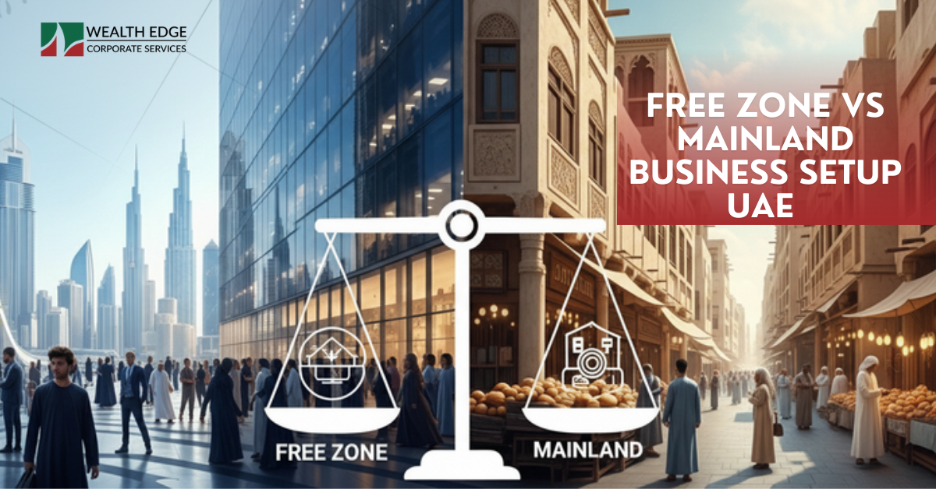
Free Zone and Mainland business structures are designed to serve different purposes. A business setup in Dubai operates within a specific economic area created to attract foreign investment. These zones offer simplified procedures and benefits that make them appealing for international businesses. On the other hand, a Mainland company is registered under the UAE’s main regulatory authority and allows businesses to operate directly within the local UAE market without restrictions.
This difference directly affects how and where you can do business. For example, if your goal is to trade within the UAE market or work with government entities, a Mainland structure may be more suitable. However, if your focus is international trade, consulting services, or digital operations, a Free Zone setup might offer better flexibility.
Many people search for Free Zone vs Mainland Business Setup UAE because they want a clear and practical comparison. They want to know which option offers full ownership, which provides easier expansion, and which supports long term growth. Choosing the right structure at the beginning prevents operational limitations later.
This guide explains both options in detail using simple and clear language. By the end, you will understand how each structure works, what benefits they offer, where they differ, and how to decide which setup matches your business goals.
What Is a Free Zone Business Setup in UAE?
In Dubai free zone business setup refers to registering a company inside a designated economic area created to attract foreign investors. These zones operate under their own regulatory authorities, which means the registration process, rules, and procedures are managed separately from the mainland system. Over the years, Free Zones have become popular because they offer a business environment designed to support international trade and service based companies.
One of the main reasons entrepreneurs choose a Free Zone company setup is full foreign ownership. Business owners do not need a local partner in most cases, which gives them complete control over their operations and profits. This benefit has made Free Zones attractive for investors who want independence while operating in the UAE.
Free Zones are also known for their simplified registration procedures. Documentation requirements are usually straightforward, and approval timelines are often faster compared to more complex structures. For new entrepreneurs, this creates a smoother starting point, especially when entering a new market.
Another important feature is that many Free Zones focus on specific industries. Some zones support technology companies, others focus on media, trading, logistics, or financial services. This industry focus creates an environment where similar businesses operate close to each other, which can help networking and collaboration.
However, it is important to understand the limitations as well. A Free Zone company generally operates within its zone or conducts business internationally. Direct trading in the UAE mainland market may require additional permissions or partnerships. Because of this, Free Zone setup works best for companies that plan to serve international clients, run online businesses, or provide specialized services rather than operate retail stores across the UAE.
Cost structure also varies depending on the chosen Free Zone, office space requirements, and visa needs. Some Free Zones offer flexible packages for startups and small businesses, while others target larger enterprises.
Free Zone business setup in UAE is therefore suitable for entrepreneurs who want full ownership, faster registration, and an international business focus. Still, it may not be the ideal choice for businesses that rely heavily on the local UAE market.
Now that the Free Zone structure is clear, let us understand how Mainland business setup works and how it compares in terms of flexibility and market access.
What Is Mainland Business Setup in UAE?
Mainland business setup in the UAE refers to registering a company under the Department of Economic Development, often called DED. This structure allows a company to operate anywhere within the UAE market without location restrictions.
Unlike Free Zone companies, mainland businesses can trade directly with customers across all Emirates. They can open offices in different cities, work with government entities, and take part in large public or private projects. This wide market access is one of the main reasons many entrepreneurs choose mainland company formation.
Ownership rules have also changed in recent years. Many business activities now allow full foreign ownership, which has made mainland setup more attractive to international investors. However, certain strategic sectors may still have specific regulatory conditions depending on the activity.
Mainland companies offer flexibility in terms of business expansion. For example, a trading company can import goods, distribute them locally, and even export internationally without major structural limitations. Service based companies can also operate freely across the UAE without needing third party permissions.
Office requirements usually involve renting a physical workspace approved by authorities. While this may increase initial setup costs compared to some Free Zones, it also provides stronger credibility and wider operational scope.
Another important factor is market perception. Many local clients and large corporations prefer dealing with mainland companies because they are licensed to operate directly within the UAE economy. This creates more business opportunities, especially for companies targeting local customers.
Mainland business setup in UAE is therefore suitable for entrepreneurs who want full access to the local market, plan to expand across the Emirates, or intend to work on government or large scale contracts.
Now that both structures are clear, the next step is to compare Free Zone vs Mainland business setup UAE side by side. Clear comparison helps investors make confident decisions based on real differences rather than marketing promises.
Free Zone vs Mainland Business Setup UAE – Key Differences Explained
Choosing between a business setup free zone and Mainland becomes easier when you compare them side by side. Both structures allow company registration in the UAE, yet they differ in market access, flexibility, cost structure, and long term growth potential.
Understanding these differences helps you select the option that matches your business goals instead of following trends.
1. Market Access
Market access is one of the biggest differences.
Free Zone companies mainly operate within their specific zone or conduct business internationally. Direct trade within the UAE mainland market usually requires additional approvals or local distribution arrangements.
Mainland companies, in contrast, can operate anywhere in the UAE without restrictions. They can open branches in different Emirates, work with local clients, and participate in government contracts.
If your business depends heavily on UAE customers, mainland setup often provides greater flexibility.
2. Ownership Structure
Free Zone companies generally offer full foreign ownership. Investors maintain complete control over operations and profits.
Mainland companies also allow full foreign ownership in many business activities after regulatory updates. However, some strategic sectors may still have special conditions depending on the activity.
Ownership differences have become smaller over time, but activity type still plays an important role.
3. Office Requirements
Free Zones often provide flexible office solutions. Some zones allow shared desks or smaller office packages, which can reduce initial costs for startups.
Mainland companies usually require a registered physical office space approved by authorities. This may increase setup costs, yet it also supports broader business operations.
Office requirements should match your operational needs rather than short term savings.
4. Business Scope
Free Zone businesses often focus on international trade, consulting, digital services, or niche industries linked to the specific zone.
Mainland company formation in Dubai can trade locally and internationally without structural limitations. Retail shops, restaurants, construction firms, and service providers often choose mainland setup because of this flexibility.
Business activity plays a major role in deciding the right structure.
5. Cost Structure
Free Zone setup costs vary depending on the selected zone, visa package, and office type. Some zones offer startup friendly packages that attract small businesses.
Mainland setup costs depend on license type, office rent, and regulatory approvals. While costs may be higher in some cases, operational freedom often balances the investment.
Cost comparison should always consider long term growth instead of only initial savings.
Quick Comparison Table
| Factor | Free Zone Business Setup | Mainland Business Setup |
| Market Access | Operates within zone or internationally | Operates across entire UAE |
| Foreign Ownership | Full ownership in most cases | Full ownership in many activities |
| Office Requirement | Flexible options available | Physical office usually required |
| Local Trading | Limited without extra approvals | No restriction within UAE |
| Suitable For | International trade, digital services, consulting | Retail, trading, construction, local services |
Free Zone vs Mainland Business Setup UAE is not about which option is better. It is about which option fits your business model.
If your goal is international expansion with simplified setup, Free Zone may work well. If your focus is strong local presence and wider operational scope, Mainland could be more suitable.
Next, let us look at a practical decision guide that helps you choose the right structure based on your business type and future plans.
Which Business Setup Is Right for You?
Choosing between Free Zone and Mainland business setup in UAE depends on your business goals, target market, and long term plans. Instead of asking which option is better, the real question should be which option suits your specific business model.
If your main goal is to serve customers outside the UAE or run an online service business, Free Zone company setup often makes sense. Many digital agencies, consultants, IT service providers, and e-commerce businesses prefer Free Zones because they offer simplified registration and flexible office solutions. Since these businesses do not rely heavily on physical presence in the local market, the structural limitation does not create a problem.
On the other hand, if your business plan involves opening a retail shop, restaurant, construction company, or trading firm inside the UAE market, Mainland company formation usually provides more flexibility. Mainland companies can operate freely across all Emirates without needing third party permissions. This becomes important when your revenue depends on local customers.
Growth plans also matter. If you plan to expand into multiple locations within the UAE, Mainland structure often supports that expansion more smoothly. However, if your focus is international trading or global consulting services, Free Zone may offer enough operational scope without added complexity.
Budget consideration plays a role as well. Some Free Zones provide startup friendly packages that reduce initial costs. Mainland setup may require higher investment due to office requirements, yet it offers wider market access in return. Long term business strategy should guide this decision rather than short term savings.
Another factor is credibility perception. Local clients and government entities often prefer working with Mainland companies because they are licensed to operate directly within the UAE economy. If government contracts or large local projects form part of your plan, Mainland setup often aligns better with those goals.
Clear understanding of your business activity, customer base, and expansion strategy will naturally point you toward the right choice. Free Zone works well for globally focused, service based, and remote businesses. Mainland works better for businesses that need direct access to the UAE market and physical presence.
Free Zone vs Mainland Business Setup UAE is therefore not a simple comparison of benefits. It is a strategic decision based on where you want to operate and how you plan to grow.
Common Mistakes to Avoid When Choosing Free Zone vs Mainland Business Setup UAE
Many entrepreneurs make avoidable mistakes when deciding between Free Zone and Mainland company setup. These mistakes often lead to delays, extra costs, or operational limitations. Knowing them in advance helps you plan better.
1. Choosing Based on Cost Alone
Some investors select a Free Zone only because it seems cheaper at the start. While initial costs may be lower, it might not support long term growth if your business relies on local UAE customers. Mainland setup may cost more initially but often provides wider operational freedom, which saves problems later.
2. Ignoring Business Activity Rules
Every business setup in Dubai mainland has specific licensing rules. Free Zones often restrict the types of activities allowed. Mainland companies may also have activity-specific regulations. Failing to match your planned activity with the correct structure can result in compliance issues or the need to restructure later.
3. Overlooking Market Access
A Free Zone company cannot trade freely in the UAE mainland without extra approvals. Many new business owners forget this and face operational delays when trying to reach local clients. Understanding where your target market is critical before choosing a structure.
4. Not Considering Future Expansion
Some entrepreneurs pick a structure without thinking about long term plans. For example, a Free Zone company works well for international operations but may limit expansion within the UAE. Mainland setup supports broader growth in local markets, multiple branches, and government contracts.
5. Ignoring Visa and Employee Requirements
Each structure has different rules for employee visas and sponsorship. Free Zones may limit the number of visas per office space. Mainland companies often have different visa quotas based on office size and business activity. Overlooking this can create staffing problems later.
6. Not Seeking Expert Advice
Many investors try to navigate the process alone, which leads to mistakes in documentation, licensing, or approvals. Professional guidance can save time, reduce costs, and ensure compliance with UAE regulations.
Avoiding these mistakes ensures smoother business registration, faster operations, and less risk of regulatory issues. Planning carefully at the start creates a strong foundation for growth, whether you choose Free Zone or Mainland setup.
Conclusion: Free Zone vs Mainland Business Setup UAE
Choosing between Free Zone and Mainland business setup in the UAE is a strategic decision that shapes how your company operates, grows, and reaches customers. Both structures offer clear benefits, but they suit different business goals.
Free Zone setup is ideal for businesses focused on international trade, digital services, and consulting. It provides full ownership, simplified registration, and flexible office options. However, direct trading in the UAE mainland market may require extra approvals.
Mainland setup, on the other hand, allows businesses to operate freely across all Emirates, access local clients, and participate in government contracts. This structure is suitable for retail, construction, trading, and service companies that rely on a strong local presence. While setup costs may be higher and office requirements stricter, the operational freedom and market access often justify the investment.
Ultimately, the right choice depends on your business activity, target market, expansion plans, and long term strategy. Careful planning, understanding regulatory requirements, and avoiding common mistakes can save time and resources, ensuring smooth company formation.
By evaluating your goals and aligning them with the structure that best supports your operations, you can make an informed decision. Free Zone or Mainland, the key is choosing the setup that enables your business to grow, operate efficiently, and achieve long-term success in the UAE market.