How Arabic Shapes Everyday Communication in the Middle East
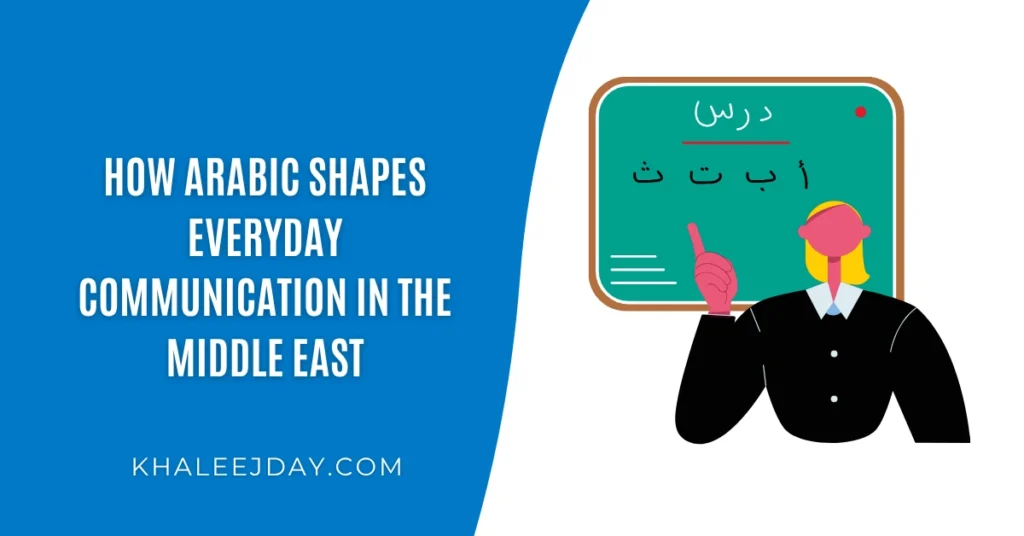
Arabic is more than a language in the Middle East. It is a shared system of meaning that connects people across cities, borders, and cultures. Even when dialects differ from one country to another, Arabic continues to function as a bridge for communication in daily life, education, business, and media. For many learners and newcomers, starting with learn Arabic is often the first step toward understanding not just words, but also the cultural patterns and social expectations that shape how people interact in the region. This connection between language and life is what makes Arabic so central to everyday communication across the Middle East.
Arabic as a Living Everyday Language
In everyday settings, Arabic is used in ways that go far beyond formal writing or structured speech. Conversations in homes, shops, and public spaces often blend local dialects with Modern Standard Arabic expressions depending on context and audience. This flexibility allows speakers to adjust their language naturally, shifting tone and vocabulary based on who they are talking to and where the interaction takes place.
What makes Arabic particularly interesting in daily use is how much meaning is carried through tone, phrasing, and familiarity. A simple greeting, for example, can change in form depending on age, respect, and relationship between speakers. These subtle differences are learned through exposure rather than formal instruction alone, which is why immersion plays such an important role in developing fluency. Over time, people become skilled at reading not only words but also intent and social cues embedded in speech.
Regional Variation and Identity
One of the defining features of Arabic in the Middle East is its wide range of regional dialects. While the written language remains largely standardized, spoken Arabic can vary significantly between countries such as Egypt, Lebanon, Jordan, and Saudi Arabia. These differences are not barriers so much as markers of identity, reflecting local history, migration patterns, and cultural influences.
Despite these variations, speakers often manage to understand each other through context and shared vocabulary. Media and education also help reinforce mutual understanding across regions. Television programs, music, and online content frequently mix dialects with more standardized forms, creating a shared linguistic space that people from different backgrounds can access. This balance between diversity and unity is part of what makes Arabic communication so dynamic and adaptable in everyday life.
Language in Travel and Mobility
Arabic plays a practical role in travel and movement across the Middle East, where it is often the default language for navigation, services, and public interaction. Even in areas with high levels of tourism, Arabic remains central in transportation systems, signage, and official communication. Travelers quickly notice how basic phrases can make everyday tasks smoother, from asking for directions to ordering food or using local services.
In popular destinations such as the Gulf region, understanding cultural and linguistic norms can significantly improve the travel experience. For instance, when people plan travel in uae, they often find that Arabic greetings and polite expressions are widely appreciated even in multilingual environments. While English is commonly used in business and hospitality settings, Arabic continues to shape the rhythm of public life, influencing how people interact in markets, government offices, and community spaces. This dual-language environment highlights how Arabic remains deeply embedded in both tradition and modern infrastructure.
Work, Law, and Daily Administration
In professional and administrative contexts, Arabic serves as a key language for legal documents, workplace communication, and government procedures. Many official systems across the Middle East rely on Arabic as the primary language of record, even when workplaces operate in multiple languages. This creates a need for clear understanding of formal Arabic, especially in contracts, regulations, and official correspondence.
Employment practices and labor laws are also communicated through Arabic in many jurisdictions, making it essential for workers to be familiar with common legal terminology. Topics such as contracts, workplace rights, and leave policies are typically explained in structured Arabic language formats. For example, discussions around unpaid leave UAE often appear in formal HR policies and labor guidelines, where precise wording is important to avoid misunderstandings. This reflects how Arabic functions not only as a spoken language but also as a tool for clarity and accountability in professional life.
Media, Digital Communication, and Youth Culture
The rise of digital platforms has significantly changed how Arabic is used among younger generations. Social media, messaging apps, and online communities have created new spaces where Arabic blends with English and other languages in creative ways. This form of communication is often informal, fast-paced, and highly expressive, reflecting the evolving identity of younger speakers.
At the same time, Arabic remains a strong presence in news media, entertainment, and educational content. Satellite channels, streaming platforms, and online publishers continue to produce large volumes of Arabic-language material that reaches audiences across multiple countries. This widespread availability helps maintain a shared linguistic foundation while also encouraging regional creativity and variation.
Youth culture in particular has contributed to the evolution of digital Arabic. New slang terms, abbreviations, and hybrid expressions appear regularly, influenced by global trends and local culture. Despite these changes, the core structure of Arabic remains intact, allowing communication to stay grounded even as it evolves. This balance between tradition and innovation is one of the reasons Arabic continues to thrive in both formal and informal contexts.
Conclusion
Arabic shapes everyday communication in the Middle East in ways that are both practical and deeply cultural. It connects people across regions, supports essential services, and adapts continuously to modern life without losing its core identity. Whether in travel, work, or digital spaces, Arabic remains a living language that reflects the diversity and unity of the region at the same time.