Best Things to Do in Sharjah: A First-Time Visitor’s Guide
Sharjah is often introduced as Dubai’s quieter neighbour, but that description does not really do it justice. The emirate has its own personality, shaped by museums, traditional markets, waterfront neighbourhoods, public art and family-friendly attractions. Before beginning your trip, you can review Taxi Moments transfers to organise the journey from Sharjah Airport and then focus on exploring the city at your own pace.
Unlike destinations where visitors rush from one famous landmark to another, Sharjah rewards a slower approach. A morning might begin in a restored heritage house, continue through an air-conditioned museum and end with a relaxed walk beside Khalid Lagoon.
The city is particularly suitable for travellers who enjoy culture, architecture, local history and activities that work for different age groups. Sharjah’s official tourism portal highlights a broad mix of cultural attractions, family experiences, outdoor adventures, souks, museums and wildlife destinations.
Here are some of the best things to do in Sharjah on your first visit.
Explore the Heart of Sharjah
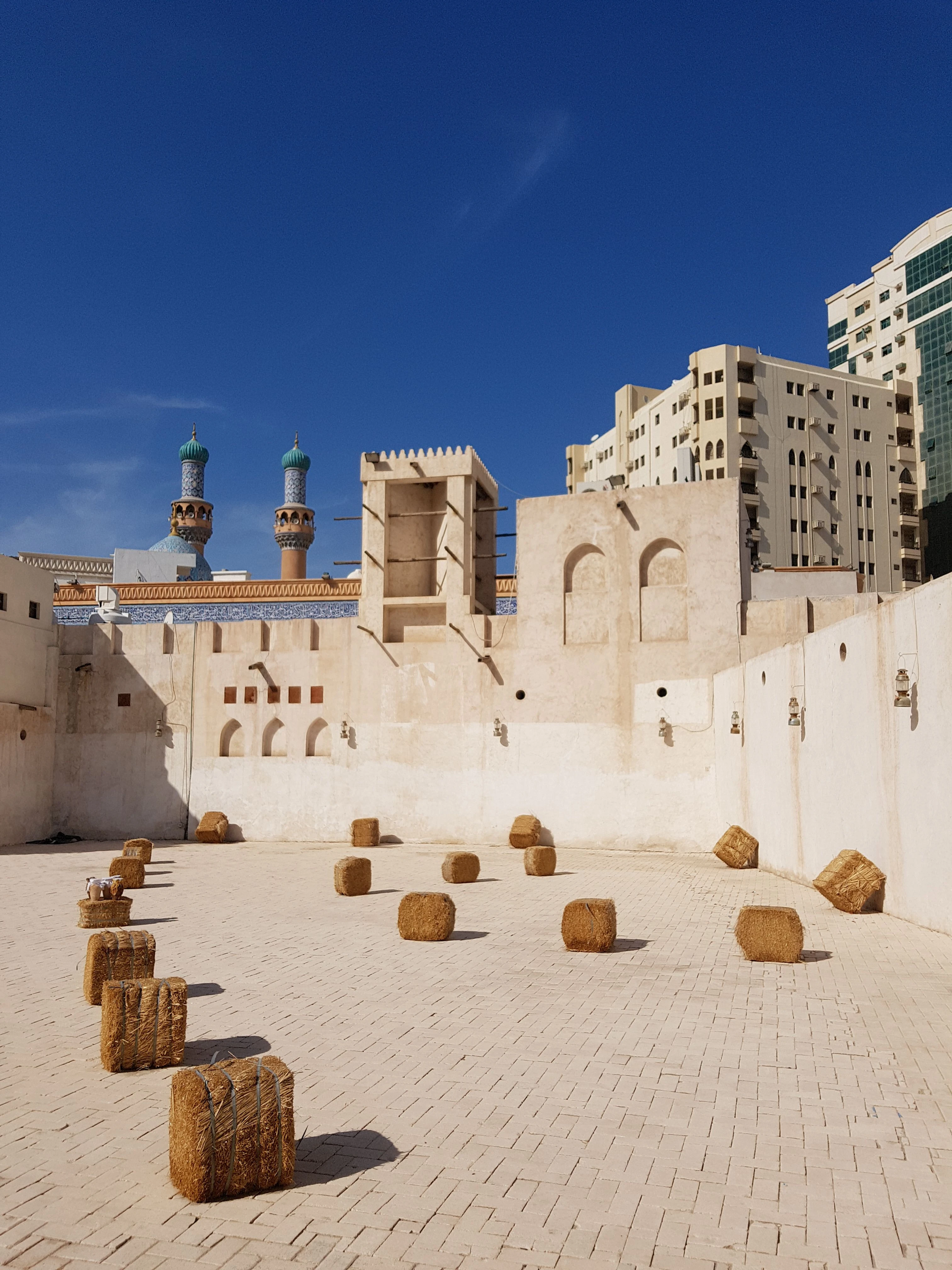
The Heart of Sharjah is one of the best places to begin understanding the city. This restored district offers a glimpse of what life looked like before modern high-rise buildings transformed the UAE’s urban landscape.
Instead of treating it as a single attraction, give yourself time to wander. You will find narrow lanes, courtyards, traditional houses, small museums, cafés and shops selling local products.
The area is especially enjoyable in the late afternoon, when the temperature becomes more comfortable and the warm light brings out the details of the buildings.
While exploring, look for:
- Restored Emirati houses;
- Traditional wooden doors and wind towers;
- Cultural centres and exhibition spaces;
- Small cafés in historic surroundings;
- Local handicrafts and souvenirs;
- Quiet courtyards away from busy roads.
“Sharjah is best experienced through its details: a carved doorway, a shaded courtyard, a busy souk and an evening walk beside the water.”
The district is a good choice for travellers interested in photography, local history or architecture. Comfortable shoes are useful because the experience is mostly about walking between different buildings rather than visiting one large attraction.
Visit the Sharjah Museum of Islamic Civilization
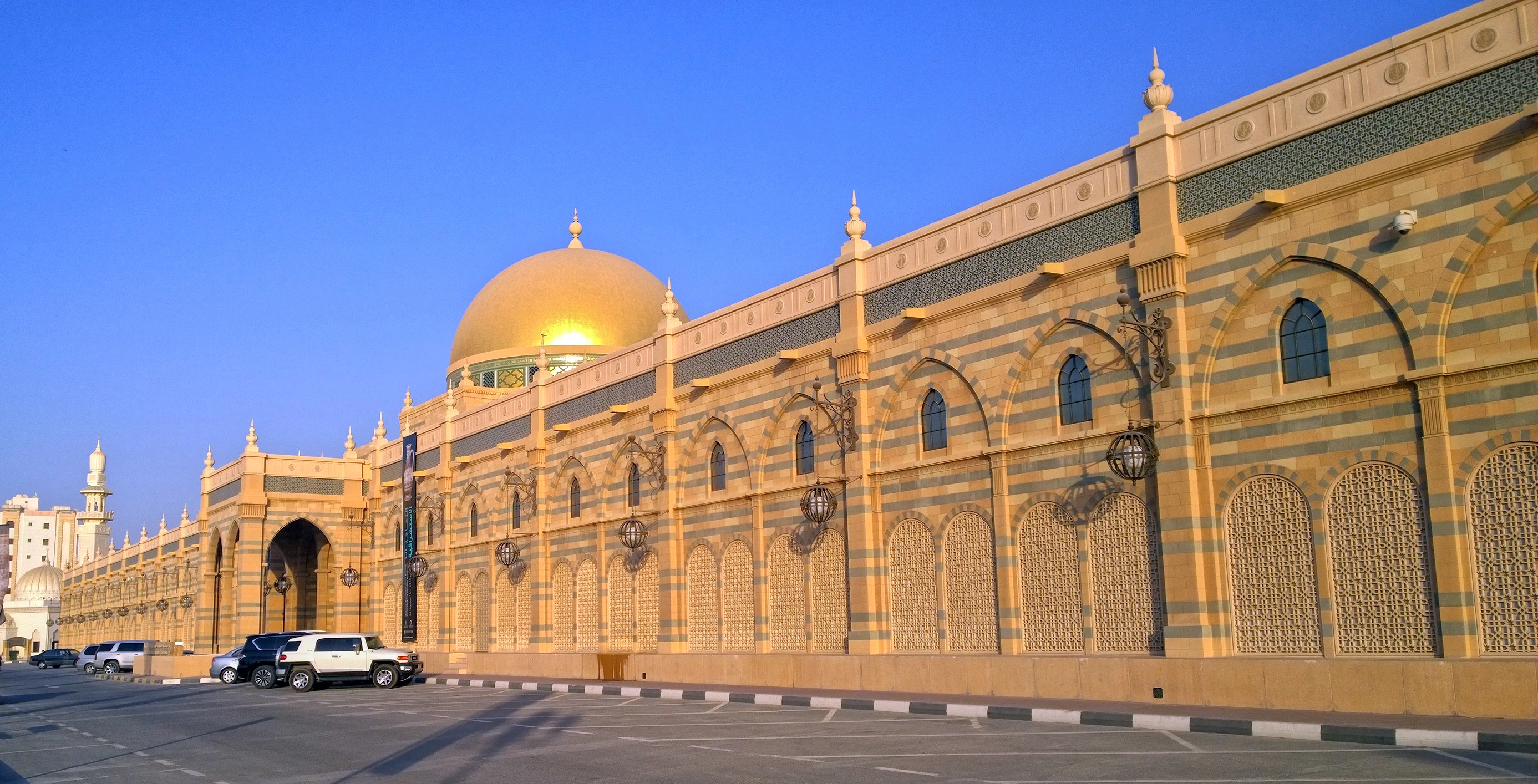
The Sharjah Museum of Islamic Civilization is an excellent introduction to Islamic history, science, art and culture. Its collections help visitors understand how scholars, craftspeople and travellers contributed to developments across a wide geographic area.
The museum is worth visiting even if you do not normally build your trips around exhibitions. The displays cover several subjects, so the experience feels broader than a traditional art museum.
You can expect to see objects connected with:
- Astronomy and navigation;
- Scientific development;
- Coins and manuscripts;
- Ceramics and metalwork;
- Religious traditions;
- Islamic art and design.
Sharjah has developed an extensive museum and gallery scene. Its tourism authority describes more than 20 museums and galleries covering contemporary art, calligraphy, heritage and other cultural subjects.
Allow at least one or two hours for the museum. Visiting during the hottest part of the afternoon can also be a practical way to continue sightseeing while staying indoors.
Shop at the Blue Souk
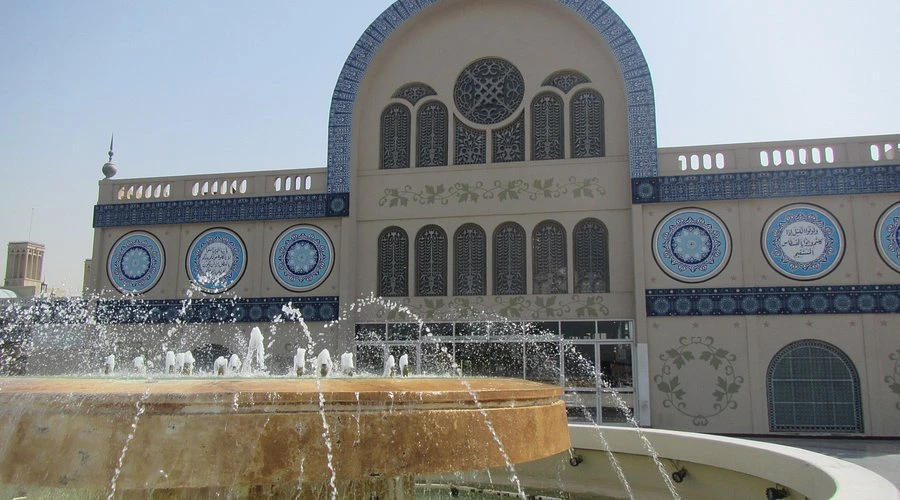
Officially known as the Central Souk, the Blue Souk is one of Sharjah’s most recognisable buildings. Its decorative blue details, repeated arches and traditional architectural elements make it as interesting for photographers as it is for shoppers.
Inside, visitors can browse jewellery, carpets, textiles, perfumes, antiques, clothing and souvenirs. Some shops focus on everyday products, while others specialise in items that travellers may want to take home.
The official Sharjah tourism portal particularly highlights local artefacts, handmade clothing and jewellery among the products found in the market.
A few simple shopping tips can improve the experience:
- Walk around before making a purchase.
- Compare similar products in several shops.
- Ask questions about materials and origin.
- Agree on the price before paying.
- Keep receipts for valuable items.
- Avoid rushing into the first shop you see.
Even visitors who do not plan to buy anything should consider stopping here. The building itself is an important part of Sharjah’s cityscape.
Walk Along Al Majaz Waterfront
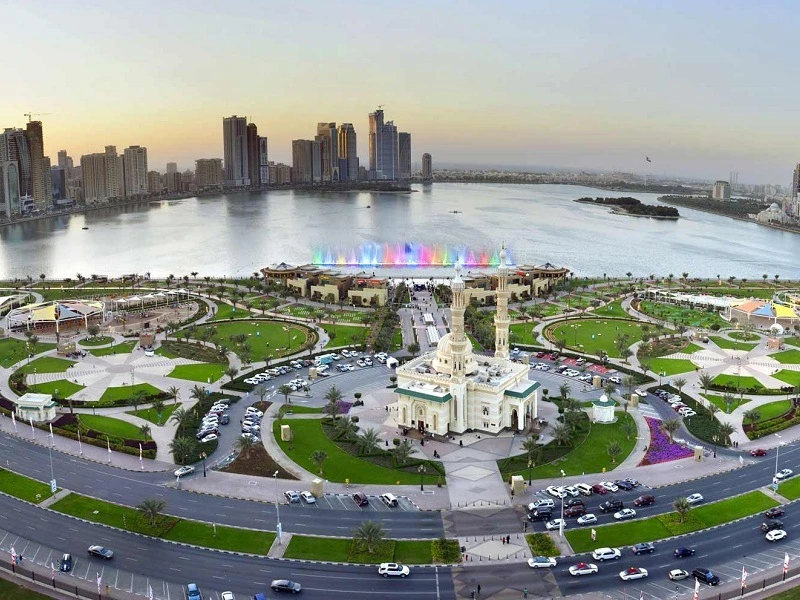
Al Majaz Waterfront is an easy place to slow down after visiting museums and markets. The area faces Khalid Lagoon and combines walking paths, restaurants, cafés, landscaped spaces and family activities.
It becomes particularly lively in the evening, when residents and visitors come for dinner or a walk beside the water.
Al Majaz works well for:
- A relaxed evening stroll;
- Casual waterfront dining;
- Family time outdoors;
- Skyline photography;
- Meeting friends for coffee;
- Taking a break between attractions.
You do not need a detailed plan here. Choose a comfortable walking route, stop when something catches your attention and enjoy the contrast between the lagoon and the surrounding city.
The waterfront can also be a convenient place to finish a day of sightseeing because there are several options for food and refreshments nearby.
Discover Al Noor Island
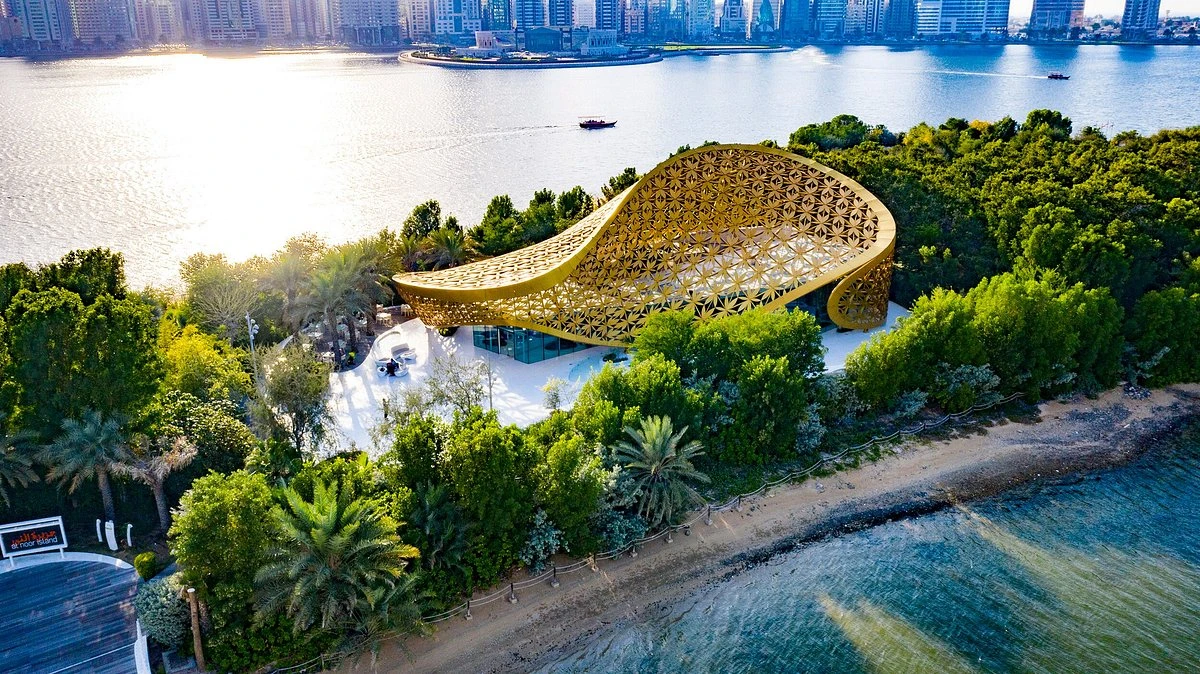
Al Noor Island provides a quieter experience in the centre of the city. Connected to the area around Khalid Lagoon, the island combines gardens, pathways, art installations and unusual architecture.
One of its best-known attractions is the Butterfly House. According to Sharjah’s official tourism portal, it provides a habitat and information centre for more than 20 exotic butterfly species.
The island is suitable for couples, families, photographers and solo visitors who want a break from traffic and shopping centres.
Take your time to notice:
- Sculptures hidden among the plants;
- Views across the lagoon;
- Architectural details of the Butterfly House;
- Shaded paths and seating areas;
- Evening lighting;
- Small spaces designed for quiet reflection.
It is better to treat Al Noor Island as a place to explore slowly rather than trying to complete it as quickly as possible.
Spend an Evening at Al Qasba
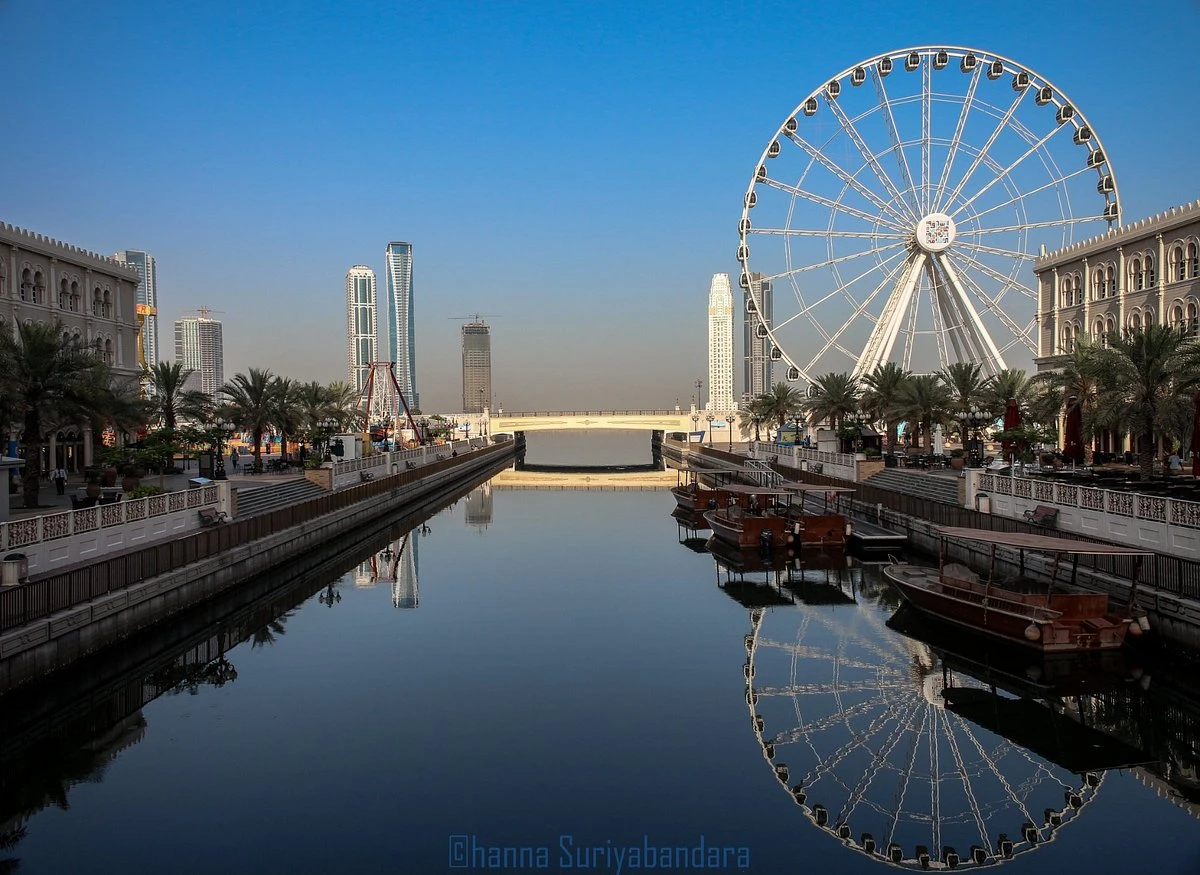
Al Qasba is a canal-side district filled with restaurants, cafés, cultural venues and spaces for walking. It is most atmospheric after sunset, when the buildings and bridges are illuminated.
The area is easy to combine with other attractions. You might spend the afternoon in a museum, return to your hotel for a short break and then visit Al Qasba for dinner.
It is also a useful option when members of a group have different interests. Some can walk along the canal, others can sit at a café, and families can look for activities suitable for children.
For a simple evening plan:
- Arrive shortly before sunset;
- Walk along both sides of the canal;
- Stop for coffee or a cold drink;
- Choose a restaurant for dinner;
- Take photographs after the lights come on.
Weekends can be busier, so travellers looking for a calmer atmosphere may prefer a weekday evening.
Experience the Rain Room

The Rain Room is one of Sharjah’s most unusual contemporary attractions. Visitors enter a dark installation where water falls continuously, but sensors respond to movement and create a dry space around each person.
The experience is part art installation and part technology demonstration. It is visually dramatic without requiring a long visit, making it easy to include in a wider sightseeing day.
Dark clothing often looks particularly effective in photographs, although the main appeal is the feeling of walking through heavy rain without becoming soaked.
Move slowly and follow the instructions provided at the venue. Sudden movements may make it more difficult for the sensors to respond accurately.
Visit Sharjah Aquarium and the Maritime Museum
Families looking for educational things to do in Sharjah can combine the Sharjah Aquarium with the nearby Maritime Museum.
The aquarium introduces visitors to marine life found in regional waters, while the Maritime Museum explores the UAE’s long relationship with the sea. Together, they provide a useful look at fishing, trade, boatbuilding and coastal ecosystems.
This combination works especially well for:
- Families with school-age children;
- Visitors looking for indoor activities;
- Travellers interested in marine life;
- Anyone wanting a break from outdoor heat;
- Groups with several hours available.
Allow enough time for both venues instead of treating them as a quick stop. Children may want to spend longer at individual displays than adults expect.
Enjoy Nature at Wasit Wetland Centre
Sharjah is not only about museums and urban architecture. Wasit Wetland Centre offers a chance to observe birds and learn about wetland environments without travelling far from the city.
The centre is a refreshing addition to an itinerary dominated by buildings and shopping. It is particularly suitable for families, birdwatchers and visitors interested in conservation.
Bring binoculars when available, keep noise to a minimum and avoid rushing from one viewing point to another. Wildlife experiences are usually better when visitors remain patient.
Sharjah’s wider emirate also includes desert, mountain, coastal and mangrove environments, giving travellers the opportunity to combine a city break with outdoor exploration.
Take a Day Trip to Khorfakkan
Travellers with an additional day can head to Khorfakkan on Sharjah’s east coast. The landscape is noticeably different from central Sharjah, with mountains rising close to the coast.
Popular activities include spending time by the beach, visiting viewpoints and exploring the surrounding landscape. The drive itself reveals another side of the emirate beyond its main city.
A Khorfakkan day trip is best for visitors who:
- Have already seen central Sharjah;
- Enjoy coastal scenery;
- Want to see the Hajar Mountains;
- Prefer outdoor activities;
- Have access to convenient transport;
- Can dedicate most of a day to the journey.
Start early and check weather conditions before leaving, particularly when planning a walk or other outdoor activity.
Suggested One-Day Sharjah Itinerary
Travellers with limited time can still experience several sides of the city in one day.
| Time | Suggested activity | Why visit |
|---|---|---|
| 9:00–11:00 | Heart of Sharjah | Heritage, architecture and local history |
| 11:15–13:00 | Museum of Islamic Civilization | Art, science and cultural exhibits |
| 13:15–14:30 | Lunch and indoor break | Avoid the strongest afternoon heat |
| 15:00–16:30 | Blue Souk | Shopping and photography |
| 17:00–18:30 | Al Noor Island | Gardens, art and lagoon views |
| 19:00 onward | Al Majaz or Al Qasba | Waterfront walk and dinner |
Do not make the schedule too rigid. Travel times, opening hours and the weather can affect how long you spend in each place.
Practical Tips for Visiting Sharjah
Good planning helps visitors see more without making the day feel exhausting.
Choose attractions by area
Sharjah’s sights are spread across several neighbourhoods. Grouping nearby attractions reduces unnecessary driving and leaves more time for exploring.
Check opening hours
Museum and attraction schedules may vary by day, season, public holiday or religious occasion. Confirm the latest information before travelling.
Dress comfortably and respectfully
Light, breathable clothing is useful in warm weather. Carrying an additional layer can help in strongly air-conditioned museums and shopping centres.
Plan outdoor activities carefully
Waterfront walks, markets and gardens are generally more enjoyable in the morning or evening. Indoor museums are better suited to the hottest part of the afternoon.
Keep the destination saved on your phone
Save the attraction name, address and map pin before leaving. Similar names and multiple entrances can occasionally cause confusion.
Carry water
Even a short walk can feel demanding in hot or humid conditions. Drink regularly and take breaks in shaded or air-conditioned places.
How to Get Around Sharjah
Your best transport option will depend on the number of people travelling, the weather and how many attractions you plan to visit.
| Option | Best for | Main advantage |
| Taxi | Short city journeys | Direct and widely available |
| Pre-booked car | Planned airport or intercity journeys | Transport arranged in advance |
| Public bus | Budget-conscious travellers | Lower cost |
| Rental car | Wider UAE itineraries | Greater independence |
| Walking | Compact waterfront and heritage areas | Best way to notice local details |
Sharjah Airport lists taxis, local buses, coach services and car hire among the available ways to travel to and from the airport. Its official information also states that airport taxis operate around the clock.
Traffic between Sharjah and neighbouring Dubai can become heavy during commuter periods. Add extra time when travelling to a fixed appointment or returning for a flight.
Final Thoughts
The best things to do in Sharjah reveal a destination that is cultural, relaxed and more varied than many first-time visitors expect.
You can explore traditional souks in the morning, spend the afternoon inside a museum and finish the day beside the lagoon. Families can visit aquariums and nature centres, while art lovers can explore galleries, installations and restored heritage spaces.
Rather than trying to see everything at once, choose a few attractions that match your interests. Sharjah is most enjoyable when there is enough time to wander, stop for coffee and notice the small details that give the city its character.