Advanced Furnace Monitoring Cameras: A Key to Predictive Maintenance in Heavy Industry
What Are High-Temperature Furnace Camera Systems?
- High-temperature furnace camera systems are designed for industrial applications that require reliable performance in extreme-heat environments, such as furnaces, kilns, and boilers.
- They are typically capable of providing multiple levels of insight into your process using visible imaging, infrared imaging, or both.
- In order to help keep your camera hardware intact throughout the life of your equipment, high-temp furnace cameras require the use of durable cooling systems.
- including air- and water-cooled backup systems.
1. Main Elements of Monitoring Systems
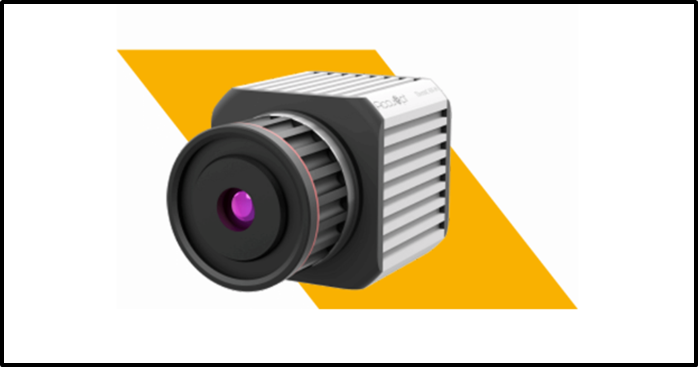
- The camera head features a small lens and a sealed probe for enhanced heat and cooling protection.
- A retractor automatically retracts the camera when critical temperature/pressure limits are reached, protecting sensitive electronic components.
- The control unit will create links between all of these different entities (imaging, PLCs, user interfaces, etc.), so an operator can review historical recordings and real-time data.
2. Industrial Control Systems Integration
- High-temperature furnace camera systems can connect to a DCS (Distributed Control System) or SCADA (Supervisory Control and Data Acquisition). This allows you to have visual diagnostics and automation capabilities available to you whenever you want, which increases the amount of data you have for decision-making purposes to be more efficient.
- You can configure alarms to notify operators of potential issues based on temperature spikes or trends; these alarms will trigger a preventive intervention.
3. Reference to Industry Expertise and System Design Experience
- The involvement of manufacturers experienced in hostile industrial environments provides valuable insight into instrument design.
- Solutions developed for extreme conditions often demonstrate higher reliability.
- In this context, Tempsens is particularly recognised for engineering competence and experience in high-temperature measurement environments.
- Such experience informs robust monitoring designs while maintaining operational independence.
- Camera Systems for High-Temperature Furnace in Digital Transformation
- Visual monitoring will be part of the larger industrial digitalisation initiatives currently in development or already implemented.
- High-temperature furnace camera systemswill provide data for integration into a smart factory framework.
- Will create greater transparency and operational intelligence across all operations, providing the information needed for predictive maintenance, a critical component of this transformation.
5. Reconciled Technical-Based Reliability and Operational Practicality
- Monitoring systems need to align with real-world operational constraints. Maintenance, access, and long-term reliability are critical.
- Visual monitoring systems need to support the operations without making them more difficult to operate. Predictive maintenance can excel with this balance.
6. Different Types Of Furnaces Require Different Monitoring Systems
- All furnaces must be monitored differently, including rotary kilns, blast furnaces, reheating furnaces, and glass melting furnaces.
- When determining where to place cameras, it is critical to consider both the furnace’s geometry and how it moves materials through the process.
- When designing a high-temperature furnace camera system, it should be adaptable. Adaptable configurations would support a wide range of industrial applications.
7. Assisting with Visual Data for Maintenance-Related Decisions
- Using visual evidence, teams can substantiate their claims during discussions about maintaining their systems or equipment throughout the life cycle of the assets.
- By having access to both current and historical data (e.g., photos), teams can verify their assumptions and limit their dependency on subjective judgement.
- Consequently, maintenance-related activities become data-driven and defensible.
8. Evaluating Fuel Combustion Characteristics
- The shape, stability, and colour of the flame can provide insight into how efficiently the fuel is burning.
- Deviations from normal may indicate issues with burner alignment, inconsistent fuel, or imbalances in the airflow and fuel flow into the burner.
- High-temperature furnace camera systems allow the operator to continuously monitor the flame, providing a means to monitor these parameters for both maintenance and process optimisation.
9. Why Continuous Monitoring is Important vs Occasional Inspections
- Repeated/periodic check-ups can lead to missing the opportunity to identify an issue early, i.e., an issue can become a larger problem when exposed to heat or thermal loads.
- Continuous monitoring will allow gradual changes in the furnace to be recorded and enable maintenance personnel to make timely repairs before minor failures develop into total equipment failures.
- Predictive maintenance relies on this continuous stream of data.
10. Future Outlook for Predictive Maintenance in Furnaces
- Similarly, enhancements in image analytics and automation technologies are likely to continue improving predictive capabilities.
- In particular, visual monitoring techniques are projected to continue supporting autonomous decisions. High-temperature furnace camera systemsare likely to remain core in this context.
Final Thought
Predictive maintenance in heavy industries depends on timely, accurate, and actionable insights from complex operating environments. Visual monitoring of furnaces addresses age-old challenges associated with high temperatures, restricted access, and process variability. By enabling early detection of structural and operational anomalies, high-temperature furnace camera systems help make operations safer, shorten downtime, and promote the longevity of assets. Visual intelligence will remain at the core as industries move toward data-driven maintenance models. The solutions developed by organisations like Tempsens reflect the growing emphasis on reliable monitoring technologies that go hand in hand with long-term operational sustainability.