How Often Should You Get Manicure and Pedicure: A Nail Expert’s Guide
Your fingernails grow about 3 millimeters every month, while toenails grow a bit slower. This steady growth makes it crucial to know the right timing for manicure and pedicure service to keep your nails healthy and attractive.
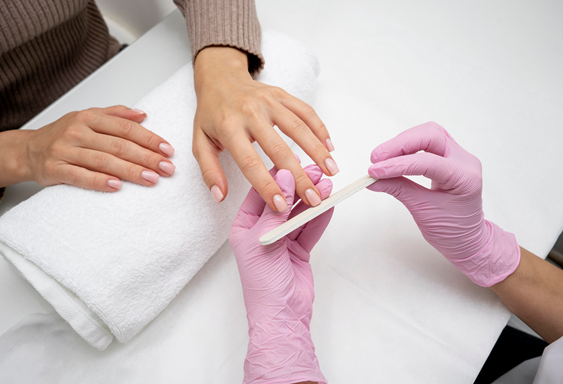
The ideal frequency of manicures and pedicures depends on multiple factors. Your lifestyle, how fast your nails grow, and personal priorities shape your perfect schedule. Getting manicures every 2-4 weeks and pedicures every 4-6 weeks works best for most people to maintain healthy, good-looking nails.
You might need more frequent care if you walk a lot, spend hours standing, or wear closed shoes often. A pedicure every 2-3 weeks could be necessary. This becomes even more important during summer. Your feet are on display in sandals, so you might want pedicures every 2-4 weeks to keep your skin soft without calluses.
Skipping too many nail appointments can create problems. You risk developing thick dead skin, calluses, nail infections, and cracked heels. Regular care protects your nails from splitting and peeling. It also keeps your cuticles neat and moisturized.
This piece will help you understand everything that affects your nail treatment schedule. You’ll learn expert tips to keep your hands and feet looking great throughout the year.
What Affects How Often You Need a Manicure or Pedicure
Your nail treatment schedule depends on several key factors. Nails grow at different rates that vary from person to person. Fingernails grow about 3.5 millimeters each month. Toenails grow much slower – just one-third to half this rate and take 12-18 months to grow completely.
Your manicure’s durability depends largely on your daily activities. Polish chips faster and enhancements lift sooner when you wash your hands often, clean without gloves, or do manual work. People with physically demanding jobs need more frequent salon visits.
Weather changes affect how much nail care you need:
- Winter: Your nails get brittle from cold, dry air and just need extra moisture
- Summer: Your nails need more protection from chlorine, salt water, and sun exposure
- Spring/Autumn: These changing seasons call for specific care routines that prepare your nails for upcoming weather
Nail health issues like brittleness, splitting, or fungal infections might mean you need more professional care. The reason why it happens often traces back to health conditions. People with compromised immune systems, poor nutrition, or certain medical treatments see slower nail growth.
Personal preference plays a big role in treatment frequency. Some people don’t mind small chips or regrowth, while others want perfect nails all the time. Your budget also determines how often you can fit professional services into your routine.
How Often Should You Get a Manicure?
Your ideal manicure schedule depends on the type of nail treatment you choose. Traditional polish manicures need appointments every 1-2 weeks since polish starts showing wear within 7-10 days. Active people might see chips appear sooner-around 4-5 days after application.
Gel manicures last longer and typically need renewal after 2-3 weeks. You’ll notice visible nail growth at the base after two weeks, which affects how your nails look. Waiting beyond three weeks can cause the gel to lift, which might trap moisture underneath and lead to infections.
Acrylic nails or extensions need fills every 2-3 weeks to avoid gaps between your cuticle and the enhancement. Dip powder manicures last over two weeks with proper care.
Here’s how to tell it’s time to get a fresh manicure:
- Your polish is chipped or lost its shine
- Growth shows at the nail base
- Cuticles look dry or ragged
- Nails have grown past their original shape
You can make your manicure last longer between appointments. Apply cuticle oil daily, wear gloves during chores, and add fresh top coat every 2-3 days. Small chips in traditional polish can be touched up to restore the look temporarily.
Keep in mind that your nails should take short breaks from polish and gel so they can stay healthy and prevent thinning.
How Often Should You Get a Pedicure?
Pedicures don’t need as much upkeep as manicures. Most people find that getting a pedicure every 4-6 weeks is enough to keep their feet healthy and looking good. This gap gives toenails time to grow and skin to regenerate between appointments.
Your lifestyle naturally affects how often you need pedicure treatment:
- Active individuals (athletes, runners, hikers): Every 2-3 weeks
- Those with specific foot concerns (calluses, dryness): Every 2-4 weeks
- Office workers with minimal foot stress: Monthly treatments are enough
Different seasons call for different pedicure schedules. Summer means more open-toe shoes, so you might need treatments every 2-4 weeks. Winter lets you stretch this to 4-5 weeks, but you need to keep your feet moisturized since cold air can make them dry and cracked.
You’ll know it’s time for a pedicure when you notice dry or cracked heels, peeling skin, overgrown nails, chipped polish, or discomfort while walking. Skipping regular pedicures can result in uncomfortable calluses, possible ingrown toenails, and extremely dry skin.
Note that too many treatments can weaken your nails and irritate your skin. The best approach is to create your own schedule based on what your feet need, rather than following general guidelines. This will help keep your feet healthy throughout the year.
Conclusion
A regular nail care routine is vital for both esthetic appeal and nail health. This piece explores how personal factors substantially influence the ideal schedule for your manicures and pedicures. Whether you visit a salon or opt for a mani pedi home service, your unique nail growth rate, lifestyle needs, and treatment priorities play a major role in determining your ideal appointment frequency.
Your nails will tell you what they need instead of following a one-size-fits-all approach. Visible regrowth, chipping polish, or dryness are clear signs it is time for fresh treatments. Most people schedule manicures every 2 to 4 weeks and pedicures every 4 to 6 weeks, but these timelines should adjust based on your specific needs.
Your nail care routine should also adapt to seasonal changes. Summer may require more frequent pedicures due to open-toe footwear, while winter demands extra hydration to prevent dryness.
Balance is the key to healthy nails. Too many treatments can weaken nail beds, while long gaps between appointments increase the risk of issues like infections or uncomfortable calluses. The right schedule allows your nails to recover properly while still maintaining their appearance.
Professional nail care, including convenient mani pedi home service options, supports both cosmetic and health benefits. Regular treatments prevent problems before they begin and keep your hands and feet looking their best. You can also contact Ruhee for expert care in the comfort of your home. Listen to your body, adjust your schedule as needed, and enjoy the confidence that comes with well-maintained nails year-round.
FAQs
Q1. How often should I get a manicure and pedicure?
For optimal nail health and appearance, it’s generally recommended to get a manicure every 2-4 weeks and a pedicure every 4-6 weeks. However, this can vary based on your lifestyle, nail growth rate, and personal preferences.
Q2. Is it necessary to get gel polish for pedicures?
No, gel polish is not necessary for pedicures. Regular polish can last quite well on toenails and is often sufficient for most people. Gel polish may be preferred during summer months or for those seeking longer-lasting results, but it’s not essential.
Q3. How can I extend the life of my manicure between salon visits?
To extend your manicure’s life, apply cuticle oil daily, wear gloves during household chores, and refresh your top coat every 2-3 days. For regular polish, you can touch up small chips to temporarily restore appearance.
Q4. Are there any risks associated with frequent nail treatments?
Yes, excessive treatments can potentially weaken nails and irritate skin. It’s important to find a balance that allows your nails adequate recovery time. Occasional breaks from polish, especially gel, can help maintain nail strength and prevent thinning.
Q5. How do I know when it’s time for a new pedicure?
Signs that it’s time for a new pedicure include dry or cracked heels, peeling skin, overgrown nails, chipped polish, or discomfort while walking. Paying attention to these indicators helps maintain optimal foot health and appearance.