Why Hormone Health Matters Even If You’re Not Trying to Conceive
When many young women think about hormone testing, pregnancy planning is often the first—and sometimes only—context that comes to mind. But in reality, understanding your hormonal health is much more than a fertility checkpoint. Hormones play a fundamental role in nearly every aspect of your physical and mental wellbeing, from energy levels and mood to metabolism and sleep cycles.
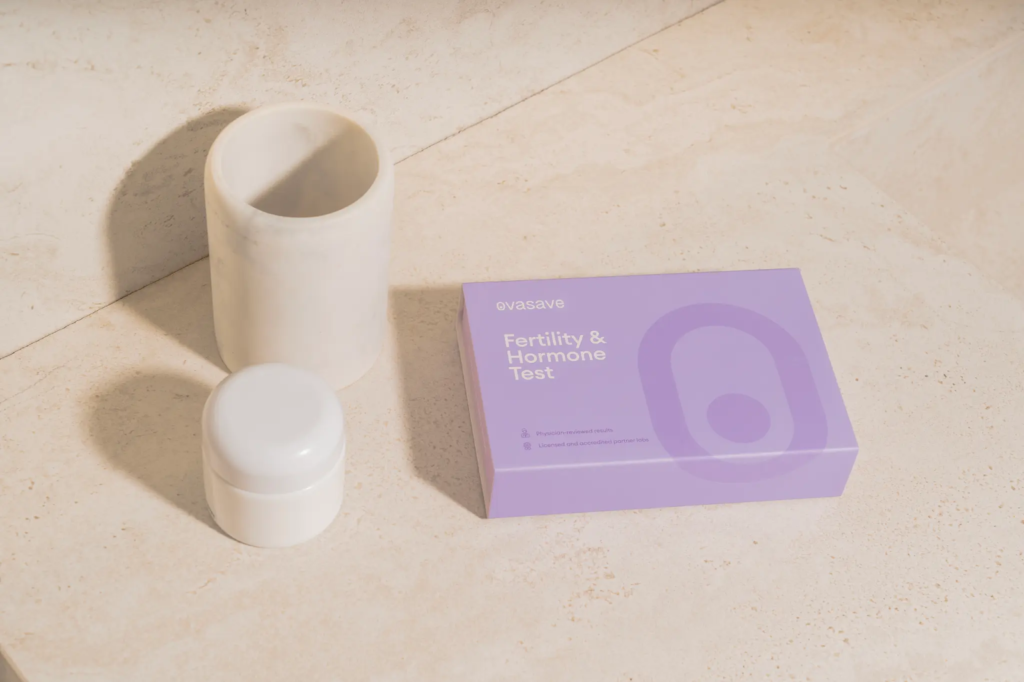
For women in their 20s and 30s, hormone testing is an empowering tool that provides insight into overall health, helps detect potential imbalances early, and guides lifestyle choices to optimize wellbeing long before you might consider pregnancy. With accessible options like at-home hormone testing through platforms such as Ovasave
Women today have unprecedented opportunities to take control of their hormonal health conveniently and privately.
This article explains why hormone testing matters for young women, explores lifestyle improvements that support hormonal balance, shares expert perspectives, and shows how to get started on your hormonal health journey.
Why Hormones Are More Important Than You Think
Hormones are chemical messengers that regulate countless bodily functions, including:
- The menstrual cycle and ovulation
- Energy production and metabolism
- Mood and emotional regulation
- Sleep architecture and circadian rhythm
- Bone density and muscle strength
- Skin health and hair growth
- Immune function and inflammation control
Because hormones influence so many systems, imbalances can manifest as a wide range of symptoms—fatigue, irregular periods, weight changes, digestive issues, mood swings, and poor sleep, to name a few—even if pregnancy is years away.
Dr. Torkia Mahloul, CEO and Co-Founder of Ovasave, highlights, “Hormones are the foundation of women’s health. Testing them early—even before thinking about pregnancy—lets women understand what’s normal for them, catch imbalances early, and make informed decisions about their wellbeing.”
Common Hormonal Issues Young Women Might Face
Even healthy young women can develop hormonal imbalances due to genetic predispositions, lifestyle factors, or medical conditions. Some common examples include:
- Polycystic Ovary Syndrome (PCOS): Characterized by high androgen levels, irregular periods, and sometimes insulin resistance, PCOS affects an estimated 10-15% of women of reproductive age worldwide.
- Thyroid Disorders: Both hypothyroidism and hyperthyroidism impact energy levels, weight, and menstrual cycles and can mimic other hormonal symptoms.
- Adrenal Fatigue or Dysregulation: Chronic stress may affect cortisol rhythms, leading to fatigue, sleep disruptions, and mood changes.
- Early Signs of Premature Ovarian Insufficiency (POI): While rare, POI can start in the 20s or 30s, leading to decreased ovarian function well before menopause.
These and other imbalances often go unnoticed without testing, as symptoms may be subtle or attributed to stress or lifestyle.
How Hormone Testing Offers Clarity and Control
Hormone testing measures levels of key hormones such as:
- Anti-Müllerian Hormone amh test: Indicator of ovarian reserve and reproductive lifespan.
- Follicle Stimulating Hormone (FSH) & Luteinizing Hormone (LH): Crucial for menstrual cycle regulation.
- Thyroid Hormones (TSH, FT4): Influence metabolism and energy.
- Estradiol & Progesterone: Essential for menstrual and reproductive health.
- Testosterone and Androgens: Imbalances may point to PCOS or other disorders.
- Cortisol: Reflects adrenal and stress function.
By measuring these, women gain a snapshot of their endocrine system’s health, helping to:
- Identify early signs of hormonal imbalance.
- Understand the underlying cause of symptoms like fatigue, irregular periods, or mood shifts.
- Inform targeted lifestyle or medical interventions.
- Better plan for fertility at the right time for their body.
Lifestyle Changes That Support Hormonal Balance
Knowing your hormone status can be a catalyst for healthier lifestyle choices. Some proven strategies to support hormonal health include:
Balanced Nutrition
Eating a diet rich in whole foods, fiber, healthy fats, and lean proteins stabilizes blood sugar, supports thyroid function, and reduces inflammation. Limiting processed foods, sugars, and excessive caffeine can prevent hormonal disruption linked to insulin resistance and adrenal stress.
Regular Physical Activity
Exercise improves insulin sensitivity, supports weight management, boosts mood through endorphin release, and promotes healthy menstrual cycles. Both cardio and strength training have unique benefits for hormone balance.
Stress Management
Chronic stress elevates cortisol, disrupting other hormones in a cascade effect. Practices such as meditation, yoga, deep breathing, or hobbies that relax the mind help regulate stress hormones.
Quality Sleep
Sleep is critical for hormone production and regulation. Aim for 7-9 hours of consistent, restful sleep by maintaining a bedtime routine and limiting screen exposure before bed.
Avoid Harmful Toxins
Minimize exposure to endocrine-disrupting chemicals found in some plastics, personal care products, and household cleaners, as these can interfere with natural hormone signaling.
Expert Insights: Why Testing Early Matters
Dr. Leah Jordan, an endocrinologist specializing in women’s health, explains, “Early hormone testing isn’t just for those actively trying to conceive. It provides a baseline to detect shifts before symptoms worsen. This is especially important as lifestyle factors and environmental toxins increasingly impact young women’s hormonal health.”
She adds, “Understanding your unique hormone profile helps tailor interventions, whether nutritional, behavioral, or medical, improving overall quality of life and fertility outcomes down the line.”
The Convenience of At-Home Hormone Testing With Ovasave
Women today juggle busy lives and often delay medical check-ups due to time constraints or clinic discomfort. At-home hormone testing platforms like Ovasave deliver an easy, reliable alternative.
- Simple Sample Collection: Collect a small blood sample via finger prick in private comfort.
- Certified Lab Analysis: Samples are analyzed in accredited labs ensuring medical accuracy.
- Fast, Clear Results: Receive comprehensive results securely online within days.
- Expert Consultation: Access to professional advice to interpret results and plan next steps.
Torkia Mahloul remarks, “Ovasave brings precision medicine to women’s doorsteps. It’s about removing barriers and empowering every woman to track her hormonal health proactively.”
When to Consider Hormone Testing as a Young Woman
You should consider hormone testing if you experience:
- Persistent irregular or absent periods
- Unexplained fatigue or mood swings
- Difficulty managing weight despite efforts
- Symptoms suggesting PCOS or thyroid issues
- Family history of hormonal or reproductive disorders
- Curiosity about your fertility potential before pregnancy planning
Even without symptoms, baseline testing in your late 20s or early 30s can provide valuable insights for future health and family planning decisions.
Taking the First Step: How to Get Started
- Review Your Symptoms and History: Keep a journal of menstrual cycles, mood changes, energy, and lifestyle.
- Choose a Reliable Testing Platform: Consider accessible, medically certified options like Ovasave.
- Collect Your Sample At-Home: Follow simple instructions for a stress-free process.
- Review Your Results With Experts: Engage with healthcare providers or fertility specialists to interpret and act.
- Implement Lifestyle or Medical Changes: Use your results to guide nutrition, exercise, stress management, and potential treatment.
Conclusion: Embrace Hormone Health as a Foundation for Life
Hormone testing is a transformative tool for young women—far beyond pregnancy planning. It provides clarity about your body, uncovers hidden imbalances, and empowers personalized steps to optimize health and fertility.
With accessible platforms like Ovasave
Hormone testing fits seamlessly into modern life, removing traditional obstacles to healthcare access.
Taking charge of your hormonal health now offers peace of mind, increased vitality, and the freedom to plan your future on your own terms. Don’t wait for symptoms to disrupt your life—start your journey to hormonal balance today.
Disclaimer: This article is for informational purposes and does not replace professional medical advice. Consult your healthcare provider for personalized guidance.